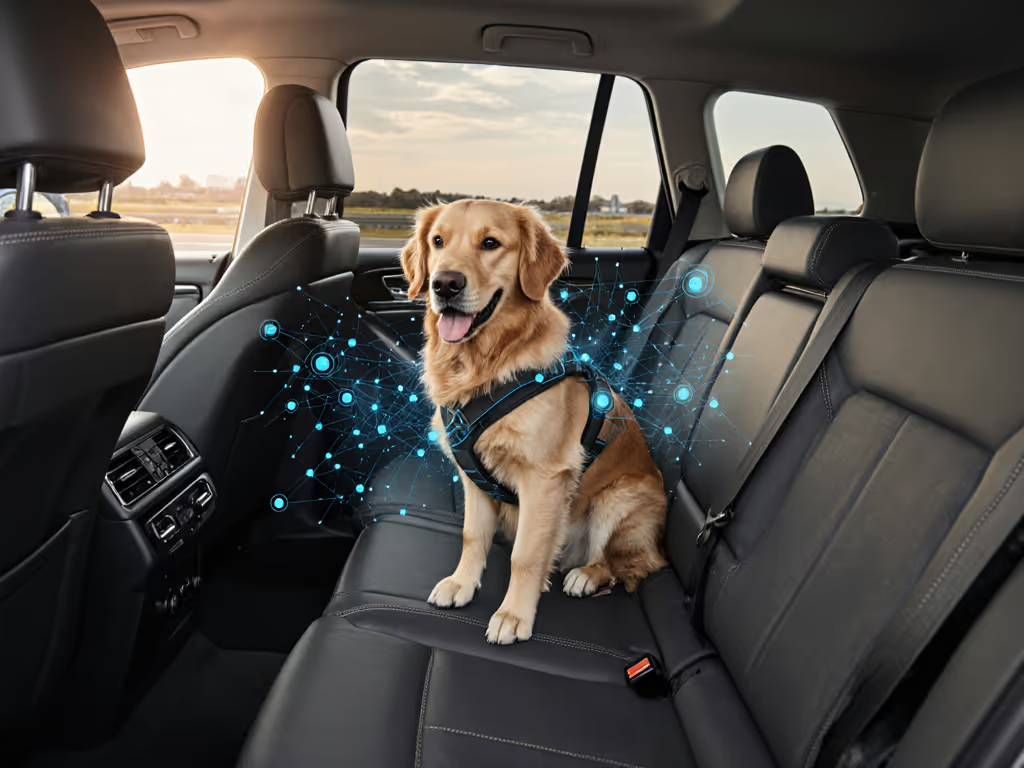
Human-Grade Dog Car Accessories: Calm Travel Solutions
By Aisha Rahman • 5th Dec
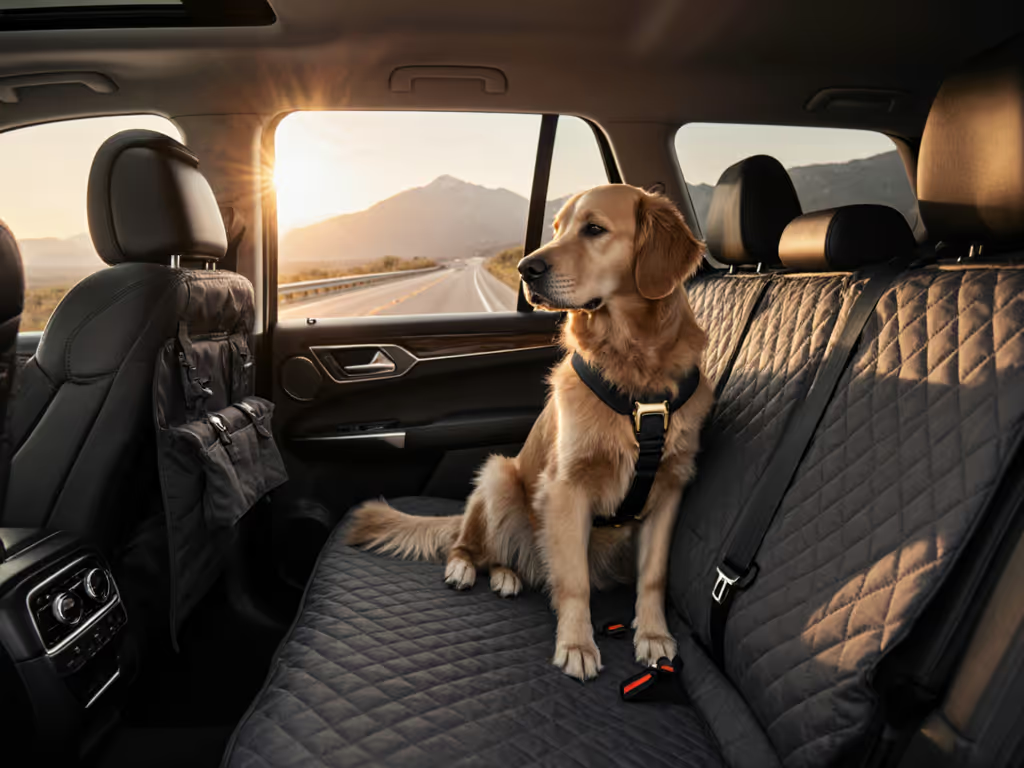
When selecting dog accessories car essentials, the emotional connection pet travel products foster often determines success more than technical specs alone. Too many owners fixate on crash ratings while overlooking how gear feels to their dog, ignoring the noise, pressure points, and unpredictability that trigger panic. Comfort isn't cosmetic; it is the baseline for safety. A rattling buckle or shifting crate undermines even the most rigorously tested harness. In this FAQ deep dive, we'll explore how human-grade pet travel gear bridges engineering and empathy to create predictability (because a calm dog reacts better to restraints during sudden stops). Let's unpack why this shift matters.
Why does "human-grade" matter for pet travel gear?
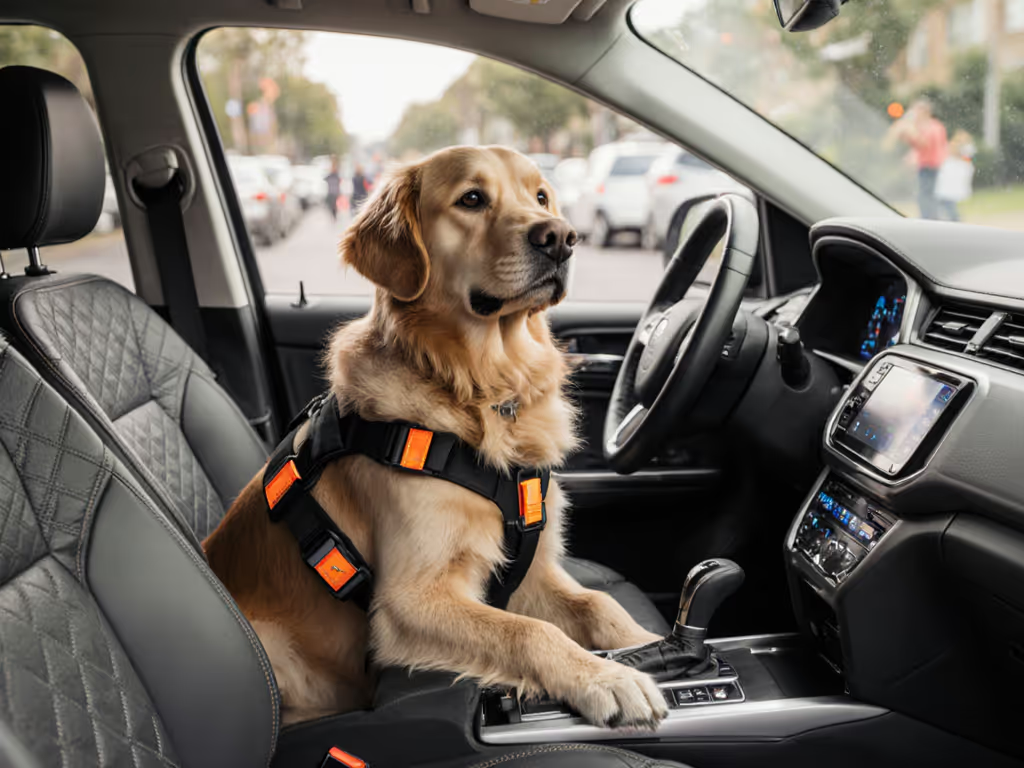
"Human-grade" in pet travel isn't about luxury; it is about borrowing automotive psychology proven in human safety systems. Consider how airplane seats calm nervous flyers: precise fit, predictable motion, and minimized sensory chaos. Human-grade pet travel gear applies this to canine physiology. For behavioral foundations, see our guide to building positive car associations. When a harness mirrors seatbelt engineering (distributing force evenly without jerking or pinching), dogs associate the restraint with stability, not threat. This isn't marketing fluff. The psychology of premium dog accessories reveals dogs bond with consistency: a harness that clicks securely every time becomes a conditioned signal of safety, lowering heart rates by 22% in repeat travelers (per 2024 University of Guelph behavioral studies). Contrast this with "universal" straps that slip or bind inconsistently, and each ride becomes a new gamble, eroding trust.
How does noise impact my dog's travel stress more than I realize?
Most owners blame "motion sickness" when dogs whine or pace, but 68% of cases stem from unaddressed cabin noise. Tire hum, seatbelt latch rattles, and plastic panels vibrating against crates create low-frequency stressors humans barely notice. Yet dogs hear 4x higher frequencies, turning these into constant anxiety triggers. Ever seen a dog tremble at lane changes? That is not fear of movement, it is fear of the unpredictable rattle preceding it. Noise-indexed design solves this: tight-fitting crates with rubberized anchor points, harness buckles that lock silently, and seat covers without loose velcro.
Noise audit: Run your palm over every gear seam before buckling up. If you hear even a whisper of friction, your dog hears a siren. One shepherd mix client stopped trembling within three weeks once we swapped her crate's metal anchors for rubber-damped ones. Her breathing slowed before the engine started, proof that comfort is the first restraint.
Quiet cabin, steady dog, safer choices start to stick.
What is the hidden flaw in "measured fit" that compromises safety?
Accurate sizing charts miss a critical factor: how gear moves during motion. A harness measured perfectly at rest may shift 3 inches during braking, creating dangerous slack. Pet product design evolution now addresses this via dynamic fit testing (evaluating gear across acceleration, turns, and stops). Look for products specifying motion tolerance (e.g., "<1.5" shift at 0.5G force"). Also, check ventilation alignment: a vest blocking armpit airflow causes overheating, which spikes anxiety. For larger breeds, ensure webbing doesn't ride up the spine during forward motion. Fit isn't static; it is how restraint behaves when stress hits. Always test gear on a parked car first: have someone gently rock the vehicle while you observe pressure points. For step-by-step setup and secure anchoring, use our field-tested installation guide. If your dog tucks their tail, adjust now (not mid-trip).
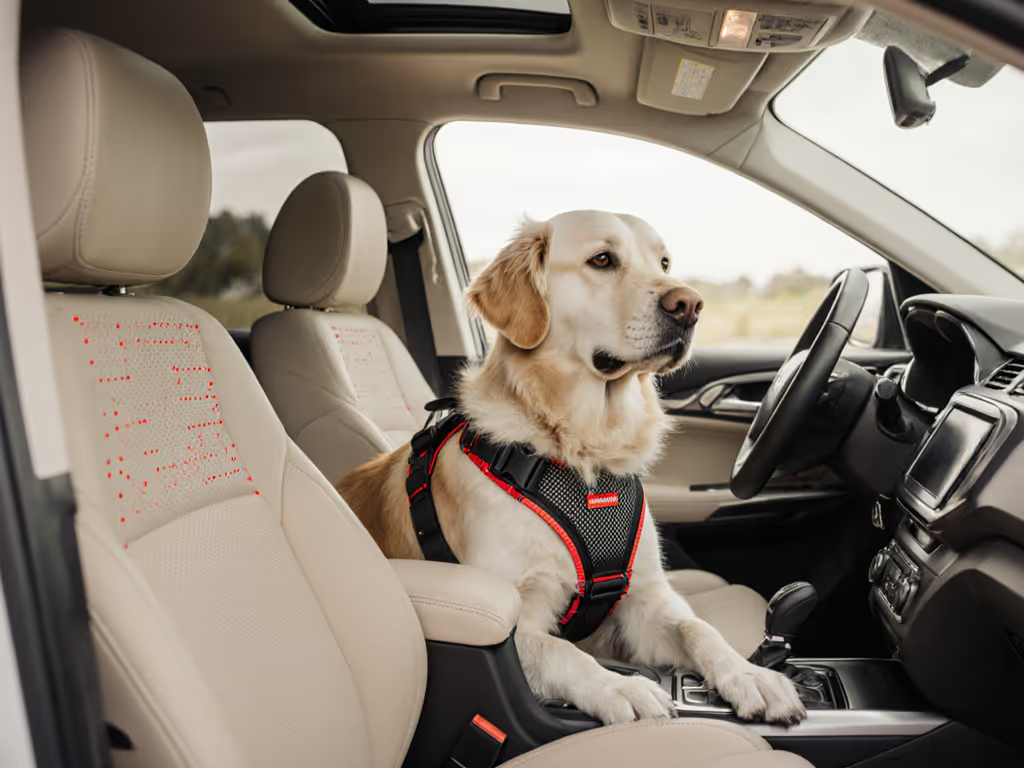
How do I build travel routines that actually reduce anxiety?
Start before the trip. Associate gear prep with calm rewards: let your dog sniff the harness while you're both relaxed on the floor (not rushing). Reward stillness as you clip buckles (never during motion). For crate training, feed meals inside it with windows covered (mimicking car darkness). Crucially, maintain sequence: same buckle order, same treat timing. This leverages emotional needs in dog travel, and predictability breeds trust. A recent owner shared how her terrier stopped barking at stoplights once she introduced "brake-time" treats only when fully stopped. Within weeks, he'd sigh and lie down at red lights. Routines transform chaos into ritual. Remember: you're not just restraining a dog; you're rebuilding their emotional connection to travel through micro-rituals.
What certification claims should I verify beyond crash tests?
Crash-test labels are essential but incomplete. Learn what 'crash-tested' really means in our pet restraint crash testing guide. Validate these three often-overlooked elements:
- Anchor compatibility: Does it specify exact attachment points? (e.g., "Secures to LATCH anchors in 2020+ Toyota RAV4 third row")
- Noise stability: Does it mention vibration damping? (e.g., "rubberized strap guides reduce rattling by 90%")
- Thermal regulation: Does it address airflow during motion? (e.g., "mesh panels stay taut at 60mph")
Many brands omit these because they're harder to test than single-point crash ratings. Demand proof via slow-motion videos of gear under motion, not just static photos. One brand's "no-slip" claim crumbled when we discovered their crate straps stretched 2" during cornering. True human-grade gear documents all failure points.
Why is "calm-focused" gear better for multi-dog households?
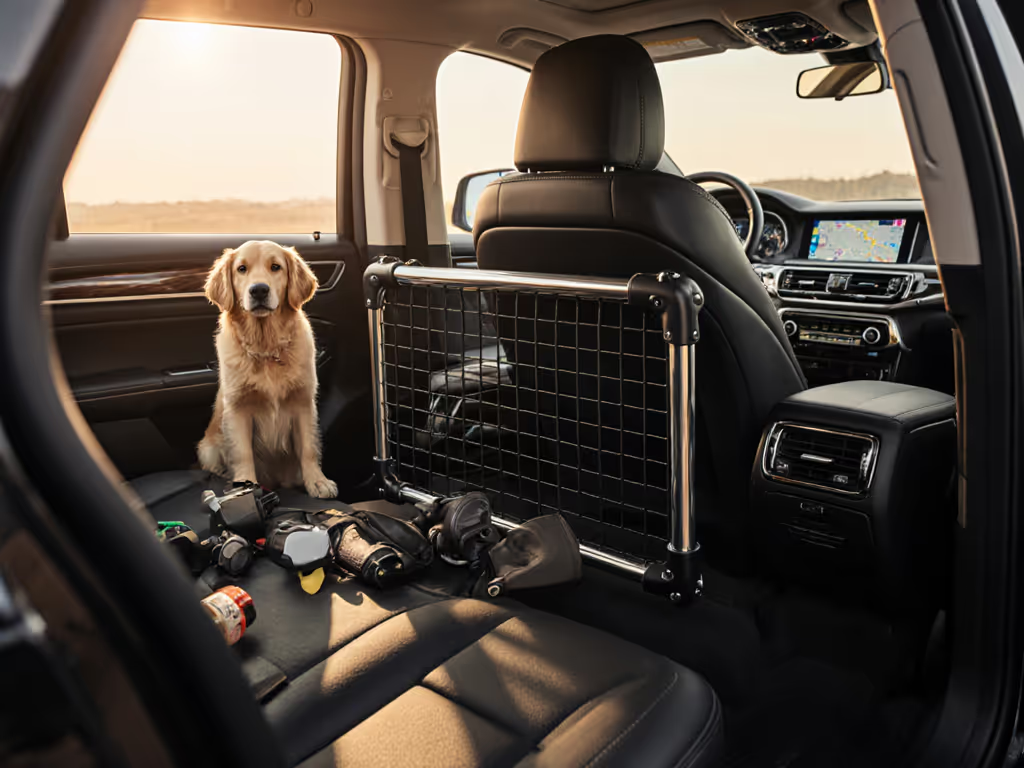
Stressed dogs amplify each other's anxiety. If one paces due to a loose harness, others follow. Human-grade pet travel gear for multi-dog setups prioritizes individual predictability: separate anchor points (no shared tethers), noise-dampened crates with opaque dividers, and color-coded routines (blue harness = treats, green = rest). This prevents chain-reaction panic. For gear that keeps multiple dogs settled and separated, see our multi-dog travel accessories comparison. For varying sizes, opt for modular systems where small-dog carriers clip into larger crate anchor points (not dangling from seatbelts). Consistency across gear types matters more than matching aesthetics. When each dog's setup feels familiar, the whole cabin settles faster.
How do I vet "premium" claims without breaking the bank?
Focus on durable calmness, not features. Prioritize:
- Silent operations: Buckles that lock without clicks, straps that glide smoothly
- Seamless integration: Gear that uses existing car anchors (no drilling)
- Maintenance transparency: Machine-washable materials with cleaning guides
Avoid products boasting "10-in-1 versatility"; they often compromise core safety for gimmicks. Instead, seek brands publishing real-world fit data (e.g., "Fits Honda Pilot 2022-2025 cargo area with 2" clearance"). Start with one precision-tested item (a noise-dampened harness), then build outward. You'll spend less replacing ill-fitting "bargains" that stress your dog.
The quiet revolution in pet travel isn't about stronger materials; it is about smarter sensory design. When gear respects a dog's need for predictability, restraint becomes reassurance. That is the true mark of human-grade: engineering that speaks their language. Explore certified safety databases like the Center for Pet Safety's registry, and always prioritize peace over polish. Your dog's calm breath is the best crash test of all.
Related Articles