EV Panoramic Roof Dog Accessories: Heat-Smart Guide
By Aisha Rahman • 3rd Mar
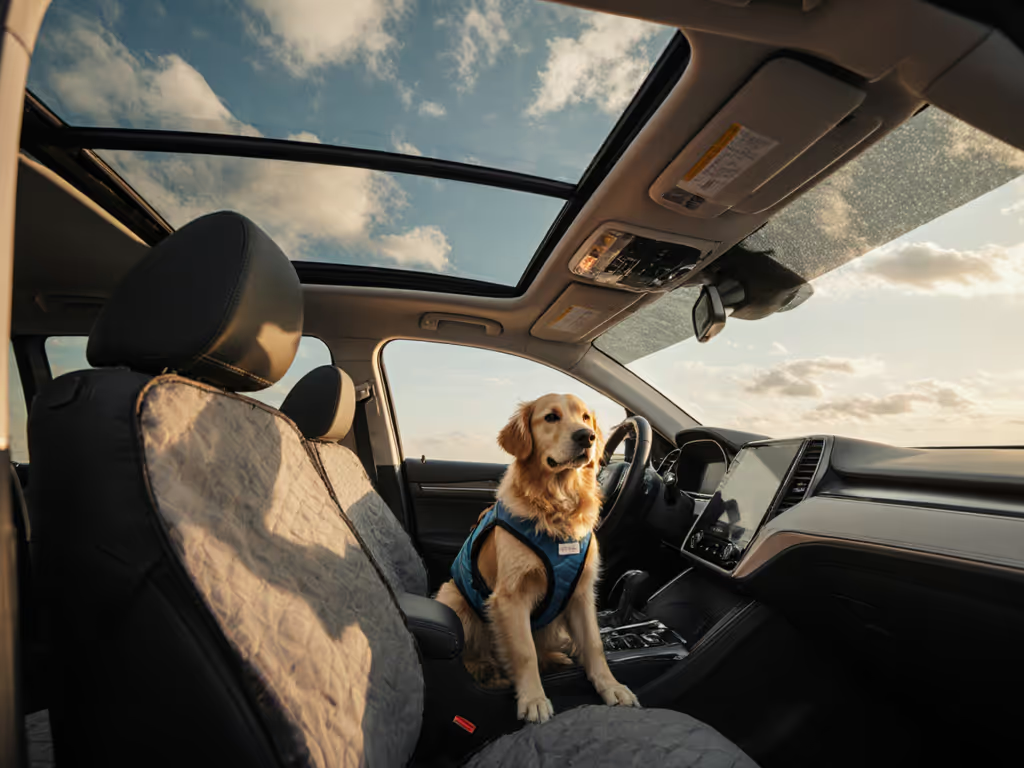
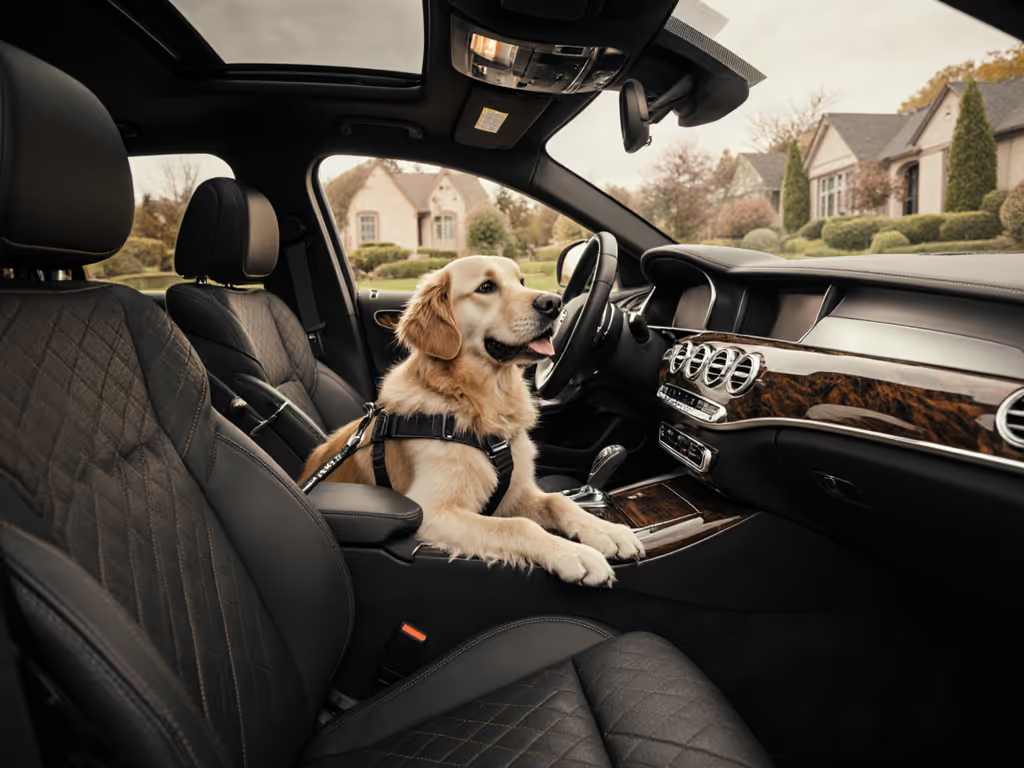
Panoramic roof dog car accessories matter more than most dog owners realize (especially in EV panoramic roof pet travel scenarios where glass exposes your dog to intense solar gain, motion blur, and cabin noise amplification). If you own a Tesla, Volkswagen ID., or another EV crossover with a full-length glass roof and a dog companion, you already know the heat buildup and light glare can trigger anxiety, panting, and restlessness during even short drives. For EV-specific fit and noise considerations, see our EV dog car accessories guide. The physics are simple: glass conducts and radiates heat faster than metal; EVs run quietly, which paradoxically makes wind noise and road vibration more perceptible to dogs; and a distracted, anxious dog in motion becomes a safety liability. This guide dissects car accessories for dog travel under panoramic glass, with specific focus on EV glass roof pet safety and heat management for dog car travel in EVs, to help you build a calm, secure setup that protects both your dog and your vehicle's interior.
The Problem: Why Panoramic Roofs Challenge Dog Comfort
Panoramic roofs flood cabins with light and solar heat. In an EV (which typically has a sealed cabin, no engine rumble to mask road noise, and reliance on climate control) this creates a triple threat: excessive UV exposure and radiant heat stress, heightened sensory input from unmasked cabin noise, and motion sensitivity amplified by transparent walls. Unlike traditional vehicles, where engine vibration and heat naturally mask smaller disturbances, EVs transmit every lane change, brake application, and wind gust directly to your dog's vestibular (balance) and auditory systems. A dog sitting under full glass sees scenery blur, hears tire friction clearly, and feels every deceleration, a cocktail of triggers that even calm dogs find unsettling.
Standard pet covers and barriers address dirt and hair, but most overlook the heat-and-motion synergy unique to glass-roofed EVs. A dog slides forward into the headrest during a hard stop; side-to-side shifts during lane changes; panting accelerates as solar gain climbs. These micro-movements feed anxiety. Over repeat trips, the nervous system learns that "riding under glass = unpredictability," and acclimation becomes harder.
The Agitation: Why Generic Solutions Fall Short
Most pet accessories marketed for EVs treat the problem as purely a cleanliness issue. Covers trap heat instead of diffusing it. Barriers block visibility entirely, which paradoxically increases anxiety in dogs denied visual anchors to the driver and familiar landmarks. Tethers and hammocks designed for sedans don't account for the open sightlines and wind noise of a panoramic cabin. Sunshades help, but unless paired with proper ventilation, airflow management, and secure, noise-indexed restraint, they're a partial fix sold as a complete one.
The deeper issue: comfort and predictability are safety multipliers; a calm dog makes every restraint work better. If your dog is panic-pacing because the cabin heats to 82°F or the road roar triggers her startle reflex every five seconds, a premium tether won't keep her calm, it'll just contain her fear. Worse, a distracted, stressed dog becomes a driving hazard. You glance back, attention shifts, and risk climbs.
The Solution: Layered Heat-Smart Strategies for Panoramic-Roofed EVs
Foundation: Sunshades and Ventilation Control
Begin with window tints or sunshades specifically designed for panoramic glass. These filter UV rays and reduce solar gain by up to 50%, depending on material. A glass roof sunshade will keep your dog cooler and create a more calming environment by reducing glare-induced squinting and restlessness. Pair the shade with EV climate pre-conditioning: most modern EVs allow app-based cabin cooling before departure, which stabilizes interior temperature before your dog boards. Together, these steps drop peak cabin temperature by 10-15°F on a 75°F day for measurable comfort. For tested options, compare dog car cooling solutions.
Ventilation follows. Cracked windows (even 1-2 inches) paired with open sunroofs reduce heat stratification. However, this introduces wind noise, which can stress noise-sensitive dogs. The trade-off is intentional: a slightly cooler cabin with controlled airflow beats a sealed, silent but overheating one.
Core Restraint: Fit-and-Noise-Aware Seat Covers and Liners
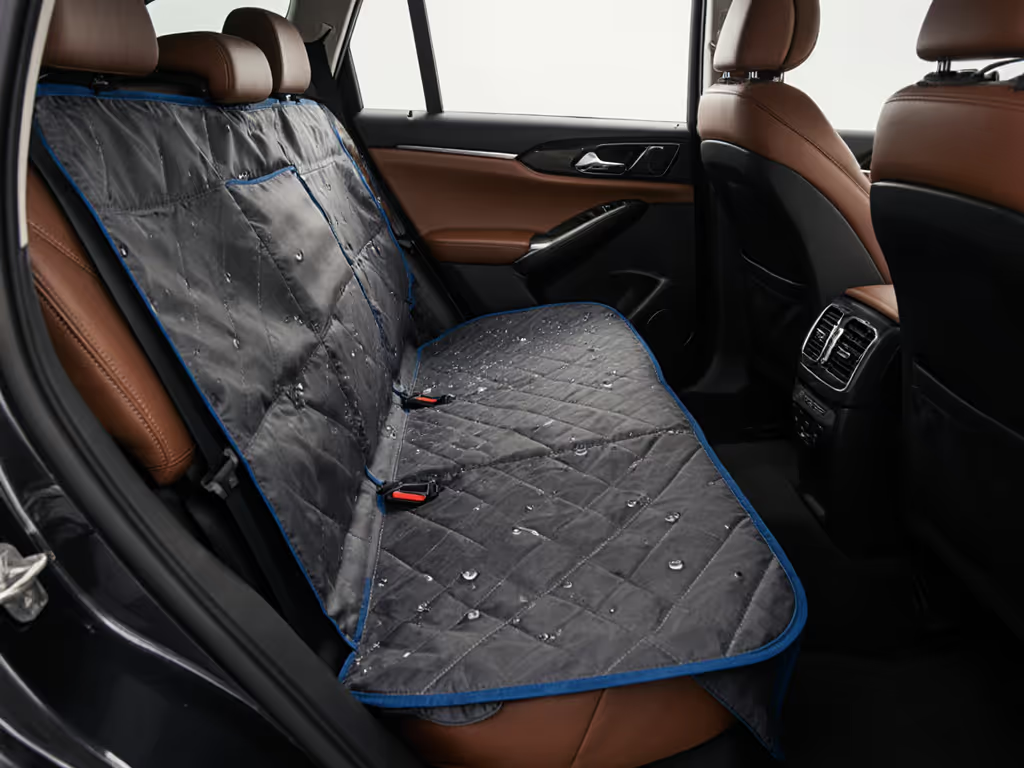
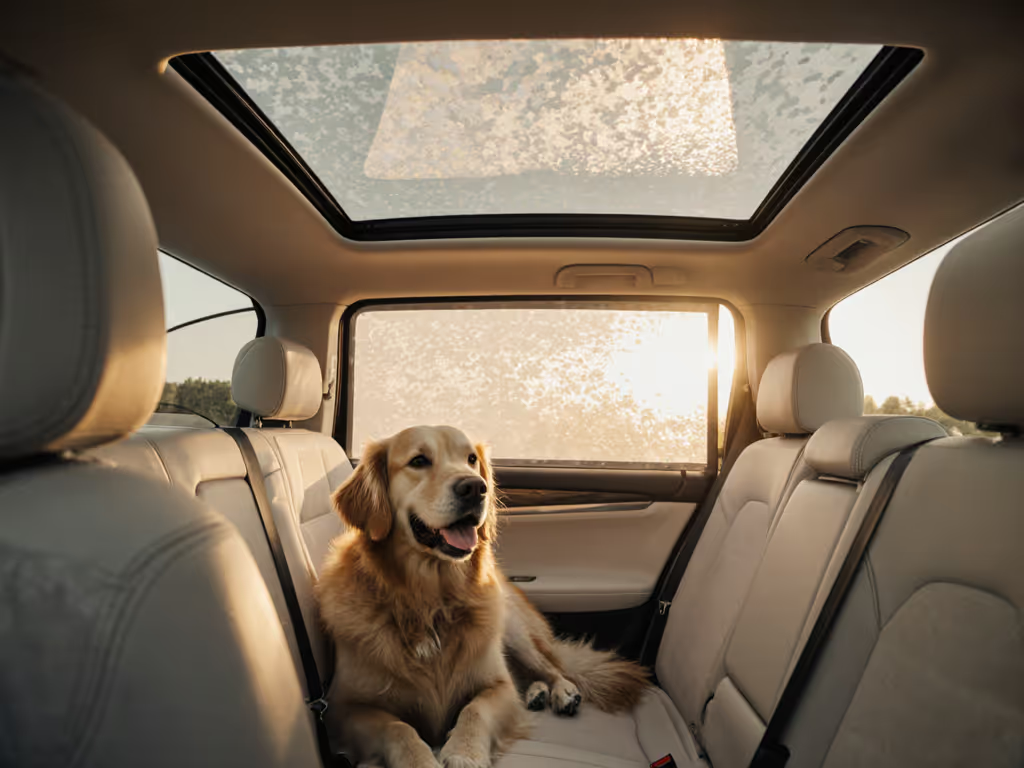
Pet cargo covers and pet liner systems anchor into existing seat geometry, creating a designated zone without gaps that let dogs slide into footwells during sudden stops. A high-quality liner should feature durable zippered side flaps that protect doors, with a visible mesh window so your dog can see you (a detail that directly reduces separation anxiety). The mesh window lets your dog clearly see you, which helps reduce anxiety and supports calm travel. Look for products with padded construction and adjustable straps; these absorb micro-vibrations and anchor securely to LATCH or cargo tie-downs, eliminating the rattle that amplifies cabin noise perception. To ensure compatibility with airbags and seat-belt systems, review our guide to airbag-compatible restraints.
Some liners now integrate two-mode configurations: a full-coverage hammock for daily commutes and a split-flap setup for longer trips where your dog needs to shift position. The key metric is secure but not rigid: enough give so your dog can lie down without sliding, but enough tension so she won't lurch forward during emergency braking.
Climate Contingency: Cooling Mats and Airflow Accessories
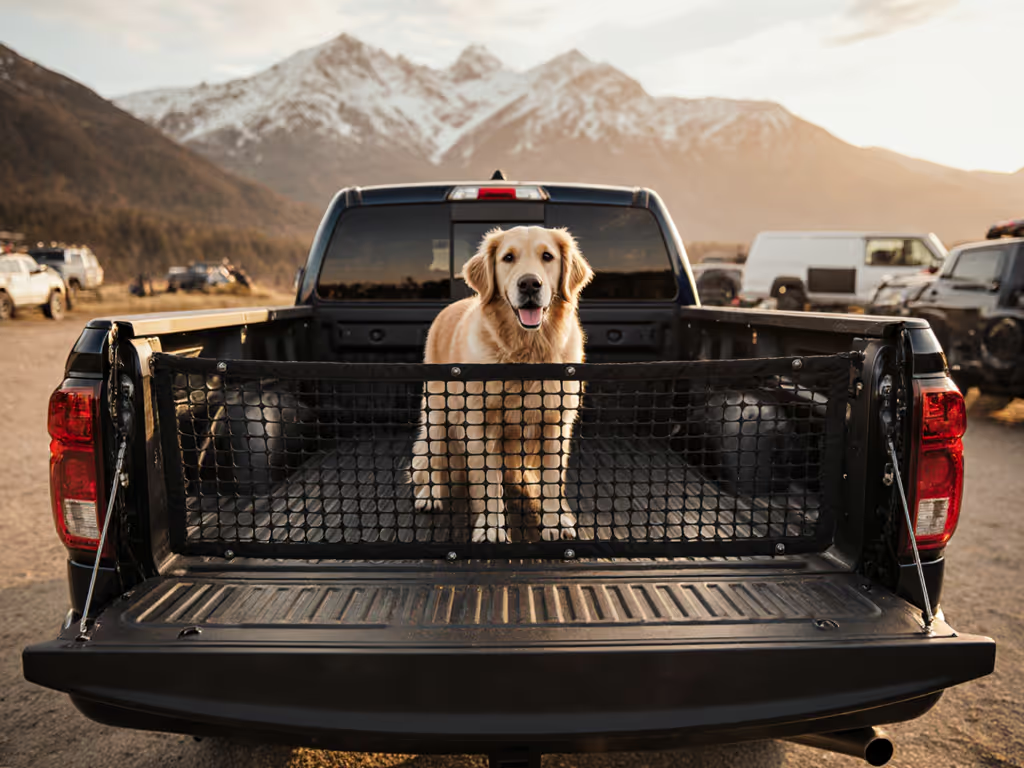
For dogs riding in cargo during road trips, a cooling mat or fan becomes essential. Cooling mats work passively (absorbing body heat) or actively (USB-powered); both reduce panting and stress in EVs where cabin climate can lag if the vehicle is parked temporarily or the AC cycles off briefly during energy-management routines. A portable USB fan (integrated into some aftermarket liners) keeps air moving across the cargo zone, preventing the "dead zone" heat that builds behind rear seats.
Protective Layering: Door Guards and Sill Coverage
Dogs' muddy paws, claws, and wet coats target door panels and sills. Panoramic roofs heighten this because open light makes damage more visible to resale inspectors. Door panel protectors and sill guards attach non-invasively, protecting from scratches and mud splatter without voiding warranties or interfering with sensors. These come with adhesive or clip anchors designed for glass roofs and should withstand repeated pawing. Test for material durability: silicone or high-grade rubber outlasts vinyl, which can tear or discolor under UV exposure from panoramic glass.
Advanced Integration: Hammock-Style Barriers
For dogs that travel frequently in back seats (rather than cargo), a hammock-style pet cover offers containment without the bulkiness of a crate. These are padded, zippered covers that drape across the back seat using quick-release buckles and seat-belt anchors. Unlike traditional barriers (which create hard walls), hammocks flex, reducing the startle response when your EV's regenerative braking causes a subtle deceleration. Real-world testing confirms that even an 85-pound dog won't break the straps in a quality hammock. The zippered side flaps keep muddy paws off door panels, and the padded material absorbs vibration, lowering the noise signature your dog perceives.
For owners integrating child seats, a pet middle seat cover protects the middle row without compromising the seatbelt or ISOFIX anchors used for car seats. This is critical in households with both children and dogs (a common pain point in the 25-55 age demographic).
Real-World Validation
Multiple EV owners report measurable calm improvements after layering these solutions. One shepherd mix who trembled at every lane change (a vestibular-noise loop I've encountered before) showed stabilized breathing within three weeks after a quiet crate, covered windows, anti-rattle anchors, and a structured acclimation routine. For the physiology behind motion sensitivity and evidence-based acclimation, see vestibular motion sickness science. Comfort isn't fluff; it's the difference between panic and a predictable ride. By week three, her owner confirmed she settled before the vehicle even started, a signal that predictability had overwritten the fear response.
Comparative Product Overview
The 3W Auto Life Floor Mat Advantage
If your EV has removable floor mats, the 3W Auto Life mats with Thorex™ material represent a significant upgrade from OEM rubber. The Thorex™ material is safe, odorless, eco-friendly, and pet-safe. Real-world EV owners praise these mats for their anti-hair performance: dogs can run, jump, and play on them (chaos simulated) and almost zero dog hair sticks to the surface, even after mud and wet paws. The embossed model logos are aesthetic but also functional; they act as subtle texture cues that reduce your dog's pacing (a pattern-seeking dog calms on textured surfaces). These mats hose off in seconds and resist odor retention, critical for EV owners without the ventilation of gas engines. Cost and fit validate for most Tesla and VW ID. owners, making them a logical foundation layer beneath seat covers.
The Tesery and BestEVMod Comparison
Both brands offer tesla panoramic roof pet solutions built on hammock geometry, but they diverge on noise management. The Tesery liner integrates a visible mesh window, side flaps with zippers, and two-mode configurations (full coverage or split-flap for longer journeys). The specifications (54"W x 58"L) fit a broad range of vehicles, from small crossovers to larger SUVs, and come with quick-release buckles and adjustable straps. The 100% waterproof material and pocket storage for toys/leashes add practical value.
The BestEVMod cover prioritizes flexibility and padding, designed specifically for small-to-large dogs with strap give that accommodates an 85-pound frame without snapping. User feedback emphasizes the reduction in scratches and the stability of the hammock during hard braking, a key advantage in EVs running high-regen protocols.
Neither product is objectively "better": choice depends on whether you prioritize visible connection (Tesery's mesh window, supporting anxiety reduction) or maximum padding and flexibility (BestEVMod, supporting motion comfort and noise absorption). Quiet cabin, steady dog, safer choices start to stick once you know which stress lever your dog responds to.
Tesla's Official Pet Liner
Tesla's second-row pet liner is engineered to OEM tolerances, using existing seat geometry and cargo tie-downs. It includes a harness that attaches to the seat-belt clip and features a protective panel that prevents dogs from jumping into the front cabin (essential for EV owners in busy urban settings). The design allows dogs to still see the driver, addressing the isolation anxiety that afflicts many dogs in fully enclosed, noise-dampened cabins. Installation is fast, and the fit is guaranteed because it's designed for the exact vehicle model.
Acclimation Steps: Building Confidence Under Glass
- Dry-run at home: Install the cover or liner with your dog present. Let her explore, sniff, and settle. No drive, just familiarity.
- Short trips (5-10 min): Drive familiar routes at moderate speeds. Reward calm behavior with treats when buckled (not during motion).
- Gradual environmental load: Add mild stressors, busier roads, longer duration, one at a time over 2–3 weeks.
- Climate and sensory consistency: Use the same sunshade, cooling mat, and music (or silence) on every trip so variables remain predictable.
- Reinforce calm cues: If your dog associates the specific setup (e.g., the mesh window, the mat texture) with safety, repetition cements that response.
Most dogs show measurable improvement (reduced panting, no window scratching, settled posture) within two to four weeks if the equipment is genuinely comfortable and the cabin climate is managed.
Key Takeaways: Panoramic Roofs Demand Layered Solutions
Panoramic roof dog car accessories work best when stacked:
- Thermal: Sunshades + pre-cooling + airflow
- Restraint & Comfort: Fit-specific liners or hammocks with visible windows and noise-absorbing padding
- Protective: Floor mats, door guards, and sill coverage
- Behavioral: Structured acclimation and consistent triggers
No single product solves the heat-and-motion challenge in EVs. Instead, EV glass roof pet safety emerges from thoughtful integration of proven components, each addressing a distinct stressor. Your dog's calm ride begins with your commitment to preventing the chaos, not containing it after the fact.
Further Exploration: Next Steps
- Audit your current EV's climate controls. Test pre-cooling and airflow settings with a simple thermometer. Knowing your vehicle's baseline helps you measure the impact of accessories.
- Map your dog's specific stressors. Does she pace during acceleration, whine at wind noise, or overheat? Your pain point directs which accessory layer matters most.
- Measure your cargo and back-seat geometry. Jot down seat height, cargo floor length, and the distance from rear seats to the cargo gate. Bring these specs when comparing liners and covers: generic "fits most vehicles" is precisely the false promise that delays real solutions.
- Test one product at a time. Install a sunshade or mat first. Run two weeks of consistent trips, then add a liner or cooling setup. This isolation approach reveals what actually calms your dog versus what you thought would.
- Document the change. Video your dog on day one and week three. Panting frequency, restlessness, and window behavior will shift: visible proof that comfort and predictability are safety multipliers and that your effort pays dividends in both dog welfare and driving confidence.
The goal isn't a perfect car; it's a predictable cabin where your dog arrives calm, your upholstery stays intact, and every trip reinforces that motion is safe. Heat-smart gear, fit-and-feel focus, and patience are the route there.
Related Articles