Why Dogs Get Car Sick: Vestibular Science & Prevention
By Luis Andrade • 19th Feb
Dog car motion sickness prevention isn't just about ginger supplements or timing meals (it's about understanding canine travel physiology and building a measurable, secure transport environment). When a dog's vestibular system gets disrupted during motion, cascading sensory conflicts trigger nausea. For step-by-step remedies beyond setup, see our dog car sickness prevention guide. But the right containment strategy, positioned with precision, can quiet both the physics and the anxiety.
What Actually Causes Dog Motion Sickness?
The root cause is vestibular disruption. Your dog's inner ear houses the vestibular system, a sensory organ responsible for balance and spatial awareness. During car travel, your dog sees scenery shift rapidly through the window while remaining stationary (a disconnect that floods the nausea and vomiting centers of the brain). The sensory organ signals chaos; your dog's body responds with drooling, restlessness, and vomiting.
Motion sickness is especially common in puppies and younger dogs because their vestibular systems are still developing. Many dogs outgrow it, but others carry anxiety forward if early car rides were traumatic. Once a dog links car travel with nausea or fear, the psychological component compounds the physical one.
FAQ: Prevention and Management Strategies
How Can I Reduce Visual Overstimulation?
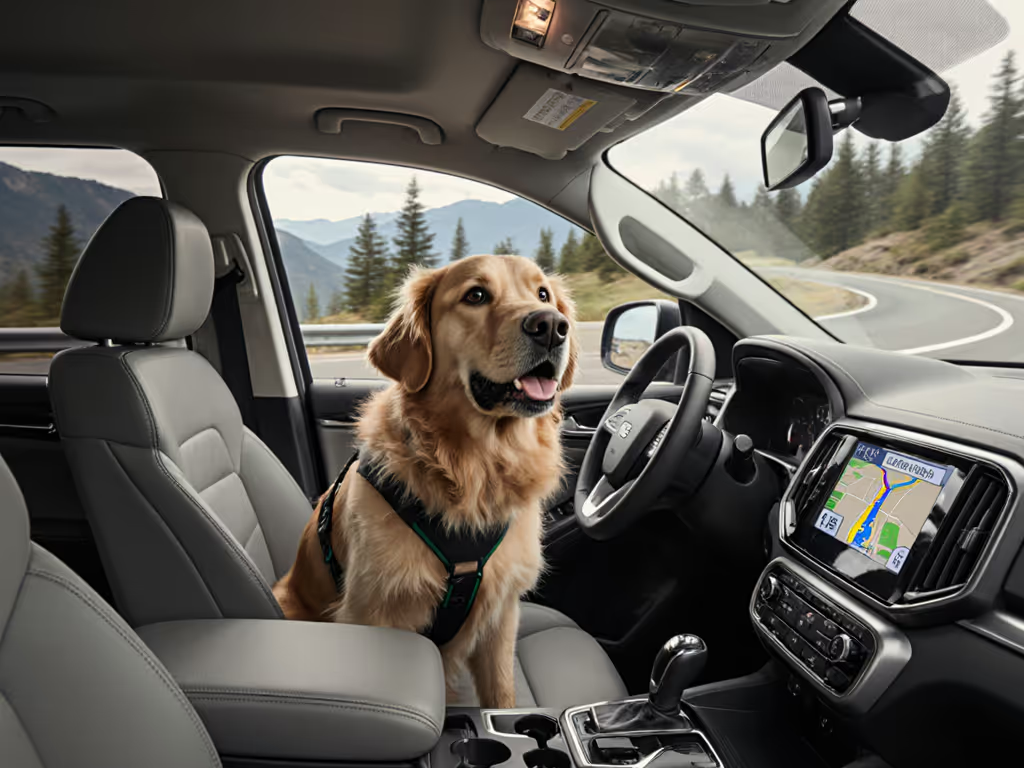
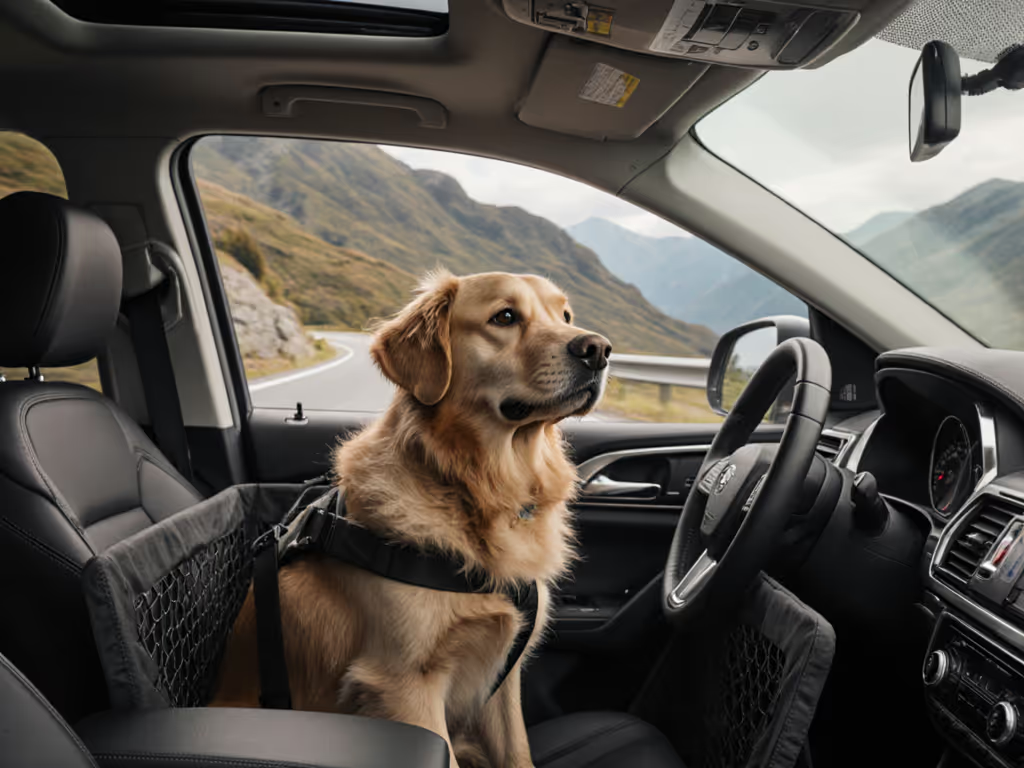
One of the most direct interventions is limiting what your dog sees. When dogs face forward out the windshield instead of sideways through side windows, visual stimulus drops significantly. Side windows create a flickering, motion-heavy field of view that amplifies inner-ear confusion.
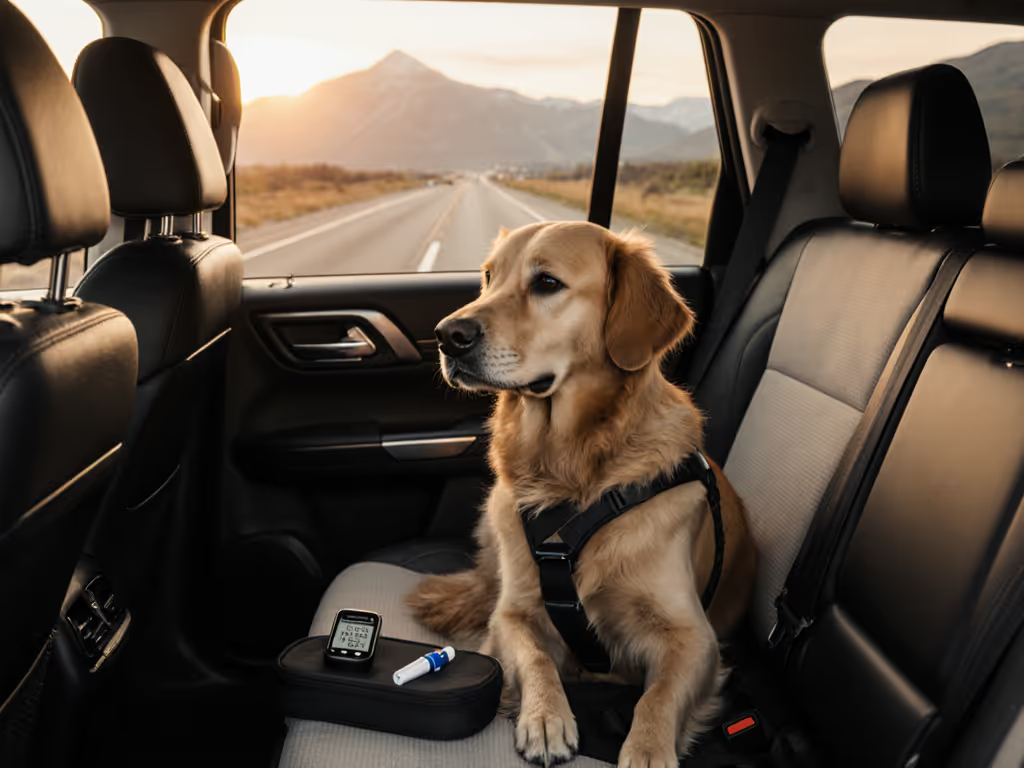
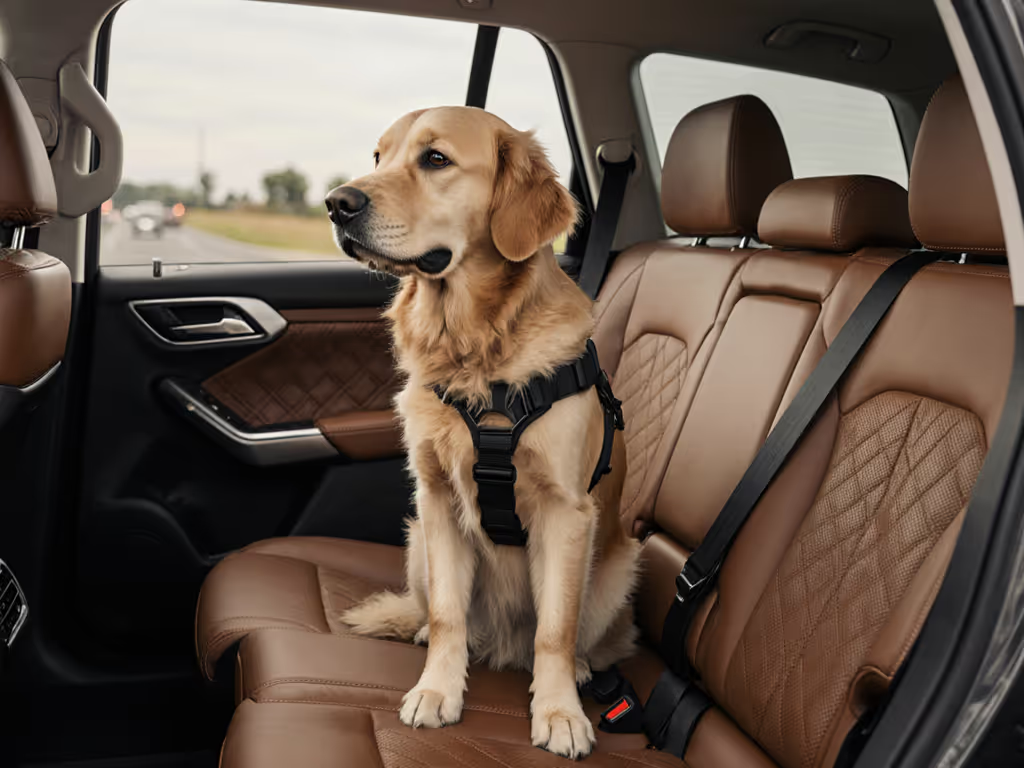
Practical approach: Position your dog in a carrier or safety harness centered on the middle seat of the back row, where motion is least pronounced. If using a crate, ensure it has solid sides to restrict the side-window view. Not sure which style suits your dog? Compare soft vs hard travel crates. For added visual filtering, car sunshades over side windows can help redirect focus toward the front. This isn't complicated (it's measurement-aware positioning). Measure your middle-seat floor width and cargo area depth before selecting a crate. If it rattles side-to-side or shifts during braking, it amplifies your dog's anxiety and the vestibular disruption gets worse.
If it rattles, we refit until it doesn't. A loose crate isn't just a nuisance; it is a sensory conflict waiting to happen.
Should I Restrict Food Before Travel?
Yes, and the timing matters. Withhold food for 8 to 12 hours before car travel, though a minimum of 2 hours is better than nothing. An empty stomach eliminates the reflex to vomit and often reduces nausea severity.
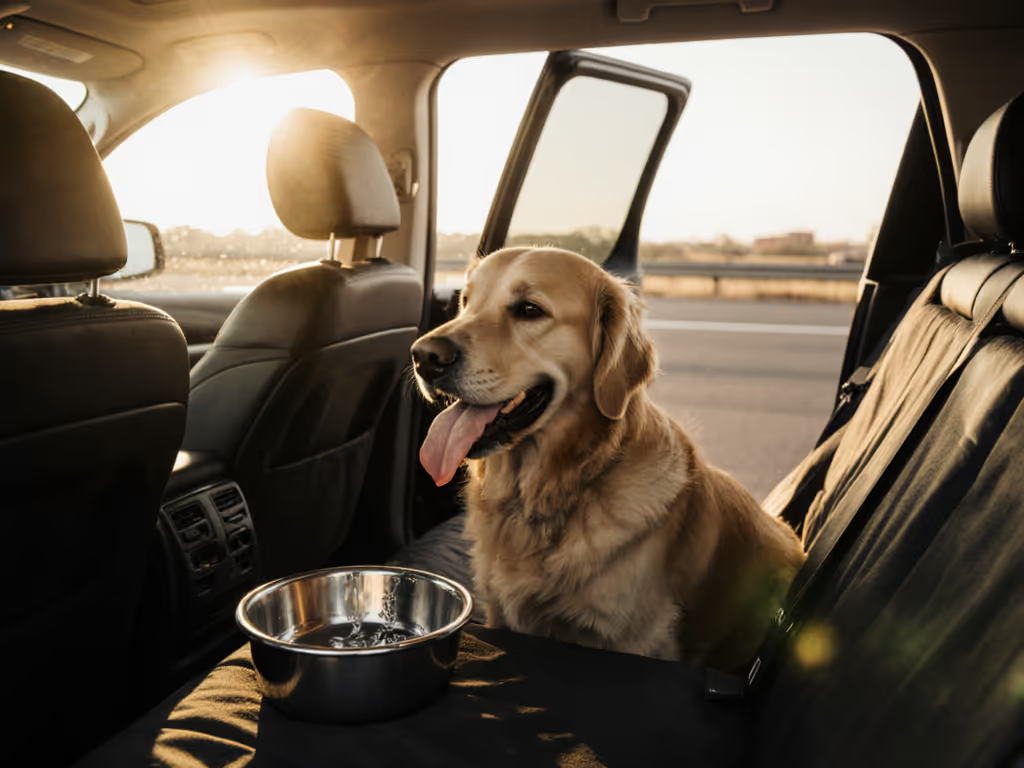
Hydration is separate; offer spill-proof water bowls or bottles to keep your dog hydrated without risk of sloshing. The goal is a comfortable digestive state, not dehydration.
How Do I Desensitize My Dog to the Car?
Desensitization is sequence-driven and takes patience. The order of operations matters as much as the content.
Phase 1: Stationary familiarity Feed or play with your dog near the parked car. Associate the vehicle with positive reward: treats, toys, calm praise.
Phase 2: Interior comfort Once calm near the car, move activities inside the vehicle with the engine off. Let your dog settle on a familiar blanket and receive treats. Build a "safe place" association with the interior space.
Phase 3: Engine running Start the engine but stay parked. Reward calm behavior.
Phase 4: Short trips Take loops around the block, then gradually extend distance. Success breeds more success; the longer your dog rides without nausea, the more the brain rewires the association away from dread.
If your dog panics or is anxious, consider using a relaxation mat training technique before travel. Train your dog to associate lying down on a mat with positive reinforcement, then bring that mat into the car. The mat becomes a tactile anchor. For a full protocol, follow our dog car training guide.
Related Articles