Minivan vs Commercial Van: Dog Accessories Perfect Fit
By Hana Saito • 17th Nov
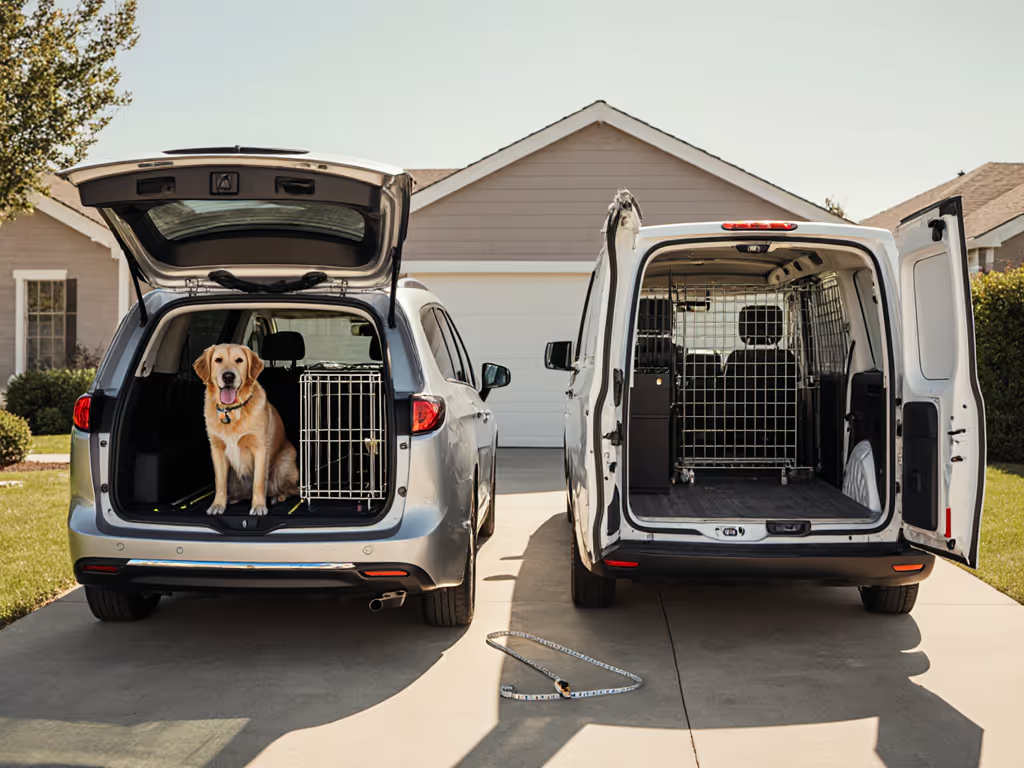
When it comes to transporting your canine companion, the right vehicle setup makes all the difference. As someone who's optimized countless cabins for dogs, groceries, and daily chaos, I've found minivan dog car accessories and commercial van pet travel solutions represent two distinct approaches to safe, stress-free journeys. A calm cabin is a safety feature, not a luxury (it's how you maintain focus on the road while ensuring your dog travels securely). Today, I'll analytically compare these two vehicle types from the perspective of space efficiency, installation practicality, and true safety integration that matters to discerning dog owners.
1. Space Utilization: Cabin Layouts That Actually Work for Dogs
Minivans deliver a unique advantage with their flat-load floors and low step-in heights, critical for senior dogs or breeds with mobility challenges. The Chrysler Pacifica's Magic Stow 'n Go seats that disappear into the floor create a seamless plane from back to middle seats, eliminating hazardous gaps where smaller dogs might squeeze through. This layout lets you position dog crates closer to the cabin, where you can monitor them without distraction.
Commercial vans like the Mercedes Sprinter offer generous cargo volume but present a steeper challenge. Their high cargo floors require ramps or lifts for dogs to access, adding complexity and potential stress. However, their rectangular footprint provides predictable space for securing crates without dealing with wheel well intrusions that complicate minivan setups. For large breeds or multiple dogs, commercial vans often offer more usable cubic feet when properly configured.
Measurement-anchored insight: Pacifica models create approximately 144 cubic feet of cargo space with seats folded, while a standard Sprinter passenger van offers around 160 cubic feet, but much of this height is unusable for crates due to the steep cargo floor angle.
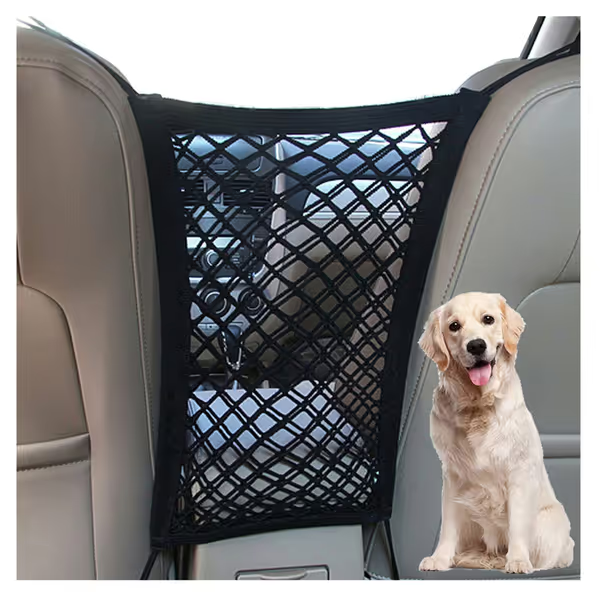
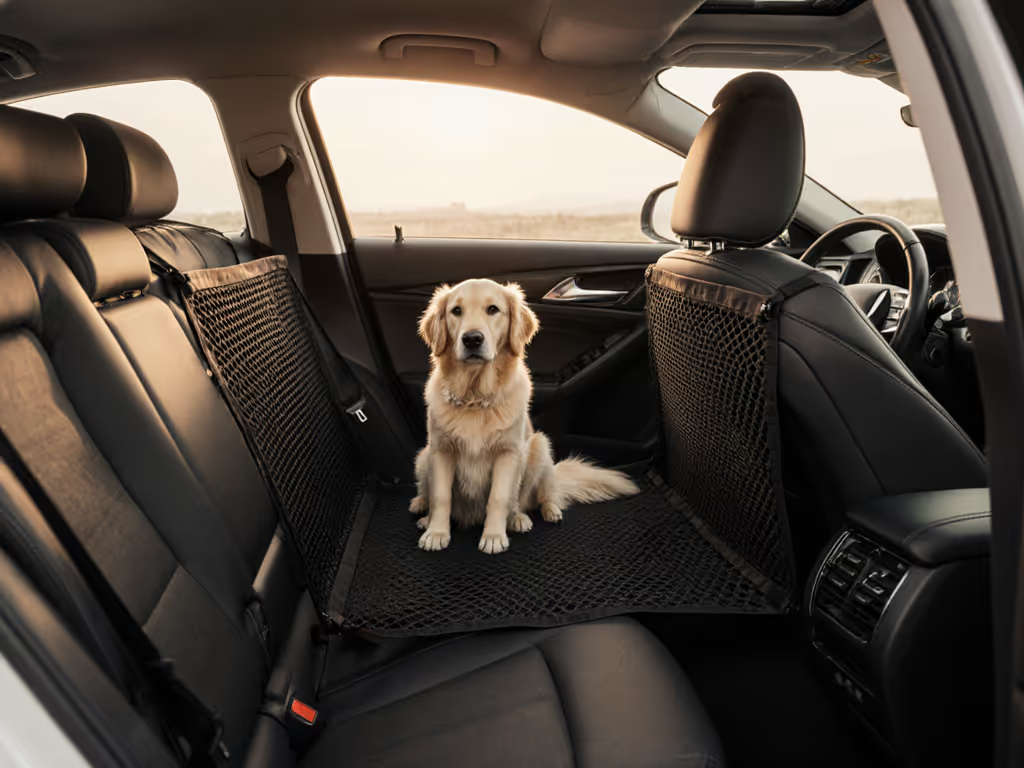
DYKESON Dog Car Net Barrier
Keep pets safely in back, reduce distractions, and organize your car.
$15.8
InstallationNo drilling; hooks to headrests & seat
InstallationNo drilling; hooks to headrests & seat
Pros
Prevents pet/child distractions while driving
Doubles as convenient car storage for essentials
Easy one-minute installation without tools
Cons
Plastic hooks may break over time
Not suitable for larger dogs or cars without headrest posts
Customers find the pet barrier works well for small dogs and is easy to install, with a well-made net that fits between the seats. The product keeps dogs secure in the backseat and prevents them from climbing into the front seat.
Customers find the pet barrier works well for small dogs and is easy to install, with a well-made net that fits between the seats. The product keeps dogs secure in the backseat and prevents them from climbing into the front seat.
2. Entry/Exit Points: Accessibility That Respects Your Dog
How your dog enters and exits the vehicle significantly impacts their travel experience. Minivans shine with their signature sliding doors that create a wide, low-access point at the middle seat, perfect for dogs needing help or preferring not to jump. This feature proves invaluable when loading crates or assisting senior dogs, transforming what could be stressful into routine.
Commercial vans typically require rear or side sliding doors that sit higher off the ground. This creates a steeper climb that can strain joints or intimidate smaller breeds. While aftermarket ramps help, they add storage complexity and installation time. For frequent stops or quick vet visits, the minivan's integrated accessibility provides a distinct advantage in daily use.
3. Built-In Features: OEM Integration That Matters
Modern minivans like the Toyota Sienna target dog owners with factory-integrated solutions: spill-resistant synthetic leather that wipes clean, built-in rear sunshades for temperature control, and cargo tie-down points positioned specifically for pet restraints. These features maintain resale value while providing genuine protection, avoiding the aftermarket clutter that compromises your cabin's aesthetics.
Commercial vans rarely offer pet-specific factory features but reward customization. Their durable, commercial-grade flooring withstands heavy use, and exposed metal anchor points simplify professional-grade crate installations. However, this raw canvas requires more investment in aftermarket solutions to achieve the same OEM-like integration that minivan owners enjoy straight from the dealer.
4. Dog Barriers for Minivans: Safety Without Sacrifice
Proper dog barriers for minivans must address the unique cabin geometry without compromising safety systems. Unlike universal mesh nets that sag or create gaps above center consoles, the best solutions integrate with headrest posts and seat frames while accommodating the minivan's pronounced center console hump.
The DYKESON barrier stands out for its measurement-anchored approach, it fits the specific space between front and rear seats in most minivans without requiring drilling or interfering with airbag systems. Its elastic dual-mesh design accommodates the seat angle while maintaining consistent tension, eliminating the "gaping gap" problem that plagues universal solutions. When properly installed, it creates a clean visual break that complements the cabin rather than fighting it.
5. Surface Protection: Maintenance-Light Solutions That Last
Finding the best dog seat covers for large vehicles requires understanding your vehicle's specific wear points. Prefer full-coverage protection? Explore our dog car hammock comparison tested for coverage, stability, and value. Minivans benefit from tailored seat covers that follow the contours of bucket seats and address the vulnerable bolsters where dogs repeatedly enter and exit. Look for 3D-patterned covers with non-slip backing that stay put during turns without damaging upholstery.
Commercial vans demand more robust protection: waterproof, puncture-resistant materials that withstand cargo area traffic. A single-layer cover won't suffice when dealing with muddy paws or gear; instead, opt for multi-layer systems with reinforced stress points at anchor locations. Remember: maintenance-light solutions actually protect your investment by preventing permanent damage that reduces resale value.
6. Installation Complexity: Set-It-and-Forget-It Reality
Time-pressed dog owners quickly discover that "easy installation" claims often mask complicated reality. The most effective van-specific pet restraints utilize existing anchor points without requiring modifications that void warranties or compromise safety systems.
In my experience evaluating hundreds of installations, minivan solutions that integrate with LATCH anchors or dedicated cargo tie-downs achieve the most reliable results. Commercial vans often require more technical expertise (properly securing a crate means understanding payload capacities and structural reinforcement points that aren't obvious to casual users). Always verify that your restraint solution has been tested for the specific vehicle you drive. For step-by-step success across restraint types, use our installation guide.
A calm cabin is a safety feature, not a luxury, it's how you maintain focus on the road while ensuring your dog travels securely.
7. Cargo Management for Van Pet Travel: Geometry Matters
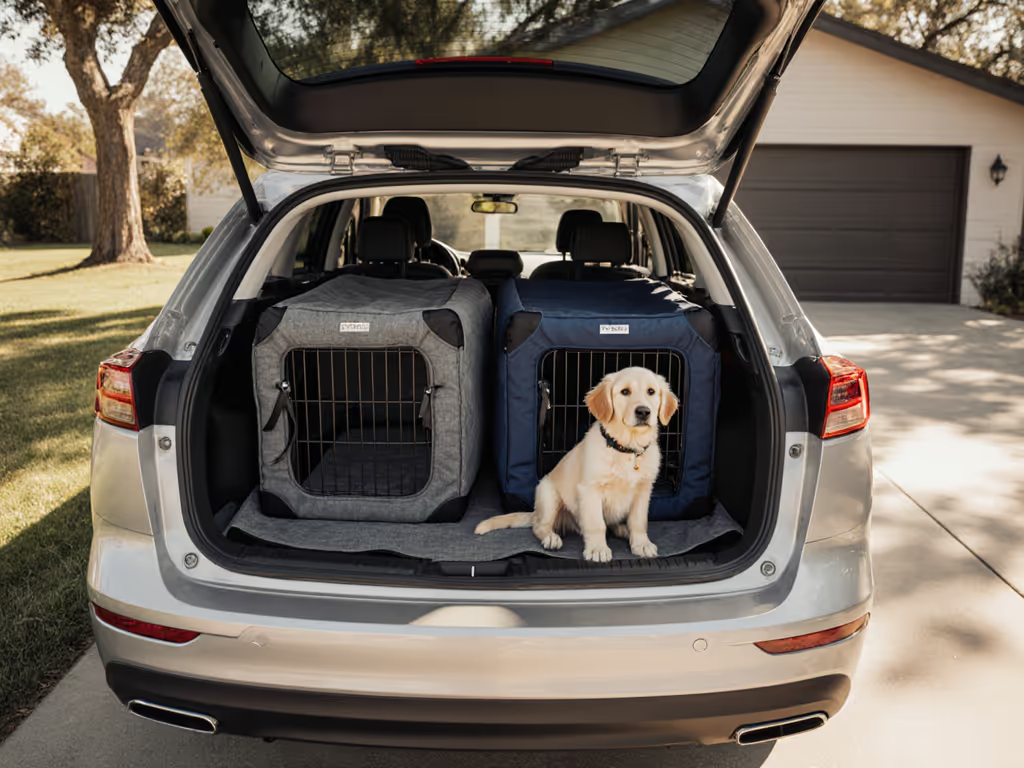
Cargo management for van pet travel isn't just about available space: it's about usable space. Minivans contend with sloping hatchbacks and wheel well intrusions that make crate positioning tricky. The solution? Measure diagonally from wheel well to wheel well rather than just width, this reveals the true crate size that will fit without blocking doors.
Commercial vans offer rectangular cargo boxes that simplify crate placement, but their height often exceeds what's practical for safe dog travel. Position crates no higher than mid-window level to maintain vehicle stability and prevent dangerous shifting during maneuvers. Use non-slip matting beneath crates to eliminate movement while protecting the floor finish, and this simple step prevents the distracting rattles that break your concentration on the road.
8. Cost Considerations: Value Beyond Initial Price
When evaluating minivan vs. commercial van options for dog travel, consider total cost of ownership. While minivans have higher upfront costs, their integrated features often reduce the need for extensive aftermarket solutions. You're paying for thoughtful engineering that addresses common pain points from the factory.
Commercial vans offer lower initial costs but require significant investment in proper restraint systems to achieve the same safety level. Cutting corners here creates dangerous situations: ill-fitting crates become projectiles during sudden stops. Remember, proper pet restraints aren't just about comfort; they're legal requirements in many jurisdictions. Check your state dog car laws before you buy.
9. Multi-Dog Logistics: Scaling Your Solution
For households with multiple dogs, both vehicle types present unique challenges. For setup ideas that scale, see our multi-dog accessories guide. Minivans excel with their configurable seating that allows creating separate zones using the middle row, perfect for dogs that don't get along or need different restraint approaches. The space between front and rear seats forms a natural barrier that prevents fighting during travel.
Commercial vans accommodate larger groups but require more sophisticated cargo management for van pet travel. Create distinct zones using portable barriers that attach to cargo anchor points rather than relying on makeshift solutions. Remember that dogs need adequate space to sit, stand, and lie down comfortably without crowding. This isn't just comfort, it's critical for maintaining calm during travel.
Integration Notes: Finding Your Perfect Fit
Your ideal solution depends on your specific needs, not marketing hype. If you primarily transport one or two dogs with regular errands and occasional road trips, a minivan's integrated features and thoughtful geometry likely serve you best. For professional dog transporters or those with multiple large breeds, the commercial van's raw space might justify the extra customization effort.
Before investing in any solution, complete this quick assessment:
- Measure your vehicle's cargo area at its narrowest point (wheel wells, hatch slope)
- Note existing anchor points (LATCH, cargo tie-downs, seat frame locations)
- Determine your dog's standing height and length when lying down
- Identify your most common use cases (daily commute, vet visits, weekend trips)
This measurement-anchored approach prevents costly mistakes and returns, because nothing disrupts your calm cabin quite like realizing your "perfect" crate won't actually fit through the door.
Take Your Next Step With Confidence
Don't settle for "good enough" when it comes to your dog's safety and your driving focus. Begin with accurate measurements of your specific vehicle model year (not just the make and model, but your exact trim configuration). Check manufacturer websites for cargo dimensions specific to your VIN if possible.
Then, visit a dealership with your tape measure and, if possible, bring your dog to test accessibility. Many critical issues only reveal themselves when you're there with your actual passenger. Once you've gathered precise data, research solutions specifically engineered for your vehicle's geometry rather than relying on "universal" claims that rarely deliver true integration.
Your journey toward a genuinely calm, safe cabin starts with understanding your unique needs, not with the flashiest product online. Take that first measurement today, and you'll be one step closer to stress-free travels where both you and your dog can relax.
Related Articles