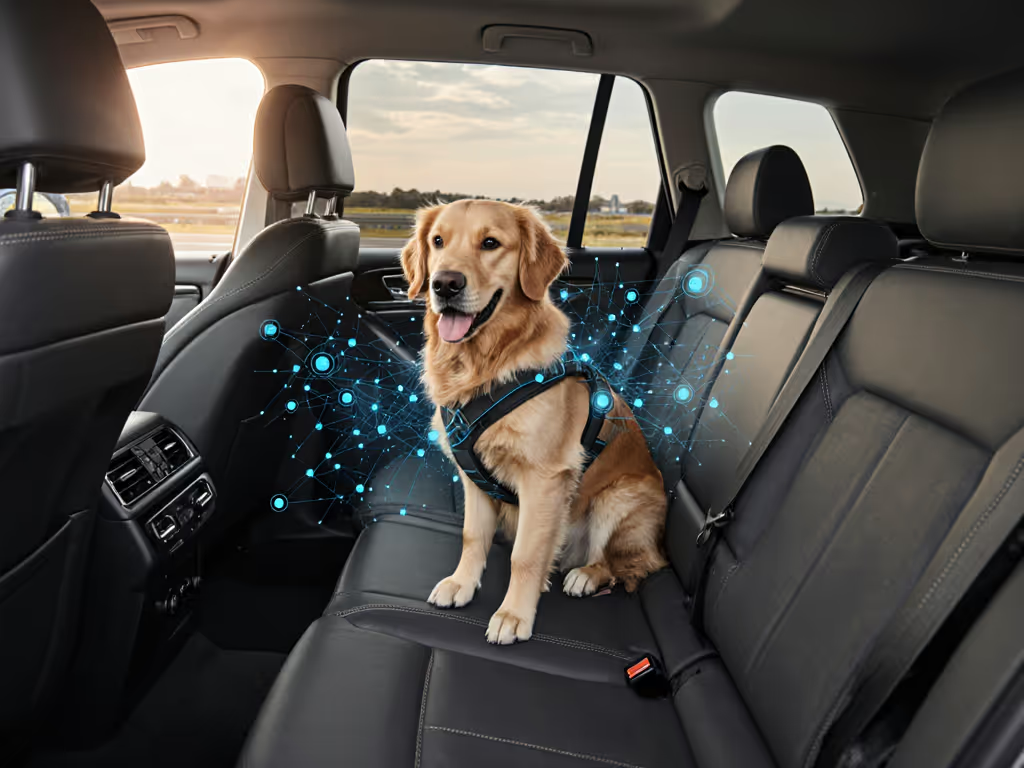
OEM Pet Accessories: Why Factory Gear Fits Best
By Hana Saito • 8th Jan
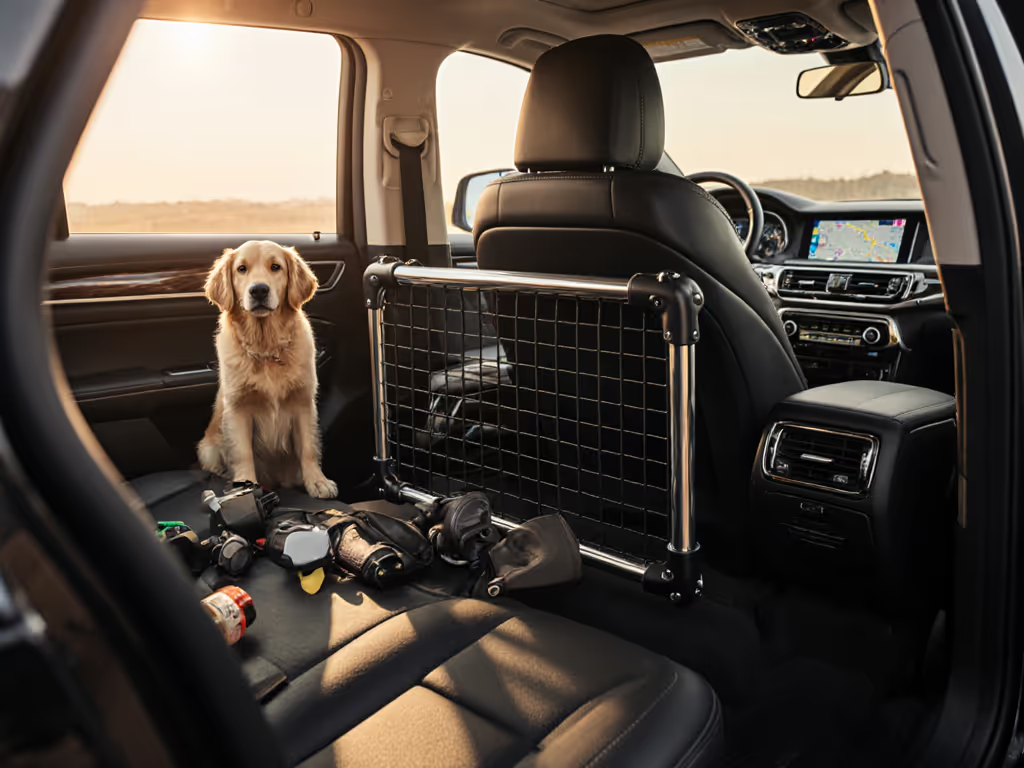
When automotive pet partnerships deepen and car manufacturer dog accessories gain traction, it's not just a marketing trend, it's a safety evolution. The auto industry pet market is responding to what dog owners truly need: integrated solutions that work with your vehicle rather than against it. As someone who optimizes small and busy cabins, I've seen how factory-installed dog gear transforms chaos into calm. A calm cabin is a safety feature, not a luxury.
Why Universal Fit Fails Where OEM Excels
Most pet owners reach for "universal" barriers and crates first. If you're deciding between barrier styles, see our vehicle-specific SUV vs sedan barrier fit guide. They're available everywhere, promise quick solutions, and often cost less upfront. But in reality, these products ignore the precise geometry of your vehicle's interior: seat contours, cargo anchor placement, and hatch slope. The mismatch creates what I call the "chaos cascade": gear sliding during braking, gaps dogs squeeze through, and rattling hardware that stresses both dog and driver.
True vehicle-integrated pet accessories account for:
- The exact angle of your cargo area's hatch slope
- Location of ISOFIX/LATCH anchors specific to your model year
- Headrest rod spacing and seatback geometry
- Console intrusion into rear seat space
When manufacturers design OEM pet accessories, they're working with millimeter-precise CAD models of your cabin, not guesswork. This is why my favorite setups (like the modular bins and low-profile barriers I developed after my own parallel parking disaster with a stroller, groceries, and a 60-pound dog) prioritize measurement-anchored solutions that stay put.
A calm cabin is a safety feature that keeps focus on the road.
The Math Behind the Fit
Pet tech market data reveals something critical: the industry is projected to reach $52.9 billion by 2035, with vehicle-integrated solutions growing fastest among safety-conscious owners. Why? Because people are done with returns, poor fits, and compromised safety. When manufacturers design around specific vehicle platforms, they can engineer:
- Structural integrity that maintains cargo barrier effectiveness during emergency maneuvers
- Seamless integration with seatbelt pre-tensioners and airbag systems
- Anchor compatibility that distributes force across factory-tested points
This isn't marketing fluff, it's engineering reality. Generic products might attach to your car; OEM-focused accessories integrate with your car's safety architecture.
Your Step-by-Step Guide to Finding Genuine OEM Solutions
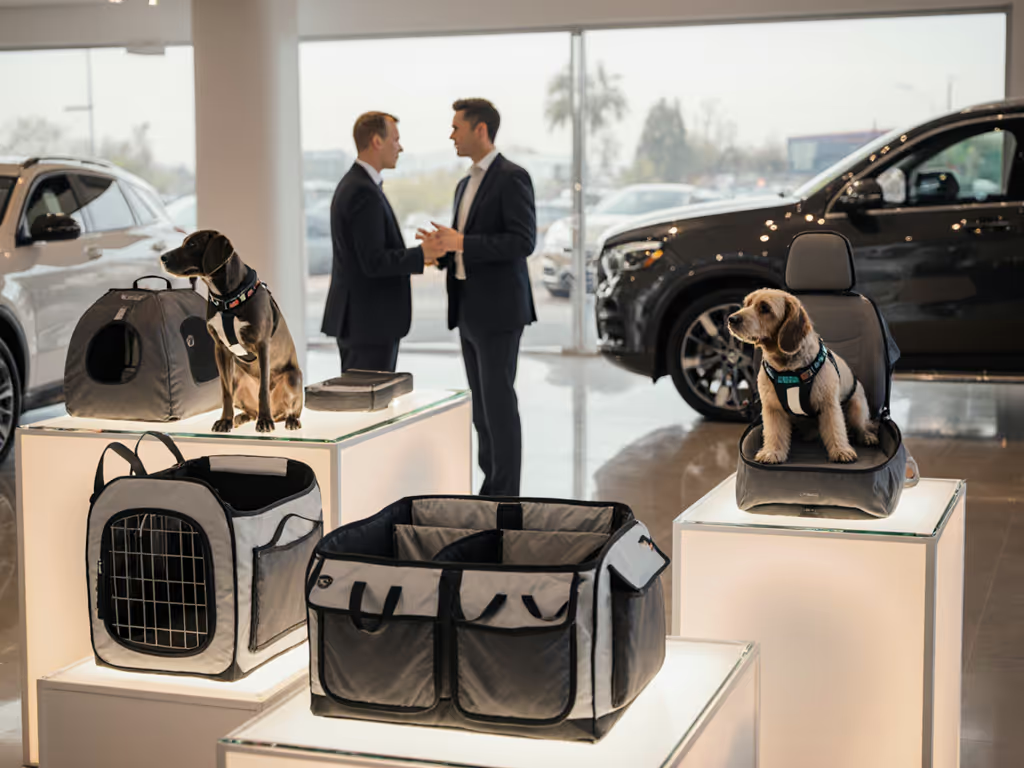
Step 1: Verify Authentic Partnership Status
Don't assume "OEM" means what you think. True automotive pet partnerships involve:
- Co-engineering: The pet accessory was developed alongside the vehicle's interior
- Fitment guarantee: Specific make/model/year compatibility (not "fits most SUVs")
- Safety validation: Testing against criteria like FMVSS 213 or SAE J2995 Not sure what those tests actually cover? See our pet restraint crash testing guide for plain-English explanations.
Ask dealers directly: "Does this accessory have engineering validation specific to my VIN?" If they can't provide documentation, it's likely just branded merchandise, not true OEM integration.
Step 2: Match Your Vehicle's Unique Geometry
Your cabin has idiosyncrasies generic products ignore. For example:
- Hatch slope: Many wagons have a gradual rear decline that standard crates won't accommodate
- Wheel well intrusion: Especially in midsize SUVs where cargo width narrows dramatically
- Center console height: Creates gaps large dogs can climb through
Bring measurements to your research, not guesswork. Note:
- Distance between cargo tie-down anchors
- Seatback recline angle
- Floor-to-headliner height at rear seats
This measurement-anchored approach prevents the "oh, it looked right in photos" disappointment that leads to 30% of pet product returns.
Step 3: Prioritize Maintenance-Light Materials
OEM doesn't just mean looks; it means using materials that withstand daily use without compromising aesthetics. Look for:
- Seamless waterproofing: Not just water-resistant, but fully sealed seams
- Anti-hair technology: Textured surfaces that repel shedding without trapping hair
- Rattle-proof hardware: Polymer clips instead of metal rings that sing on rough roads
When products integrate like factory equipment, cleanup becomes maintenance-light. No more wrestling with removable covers or worrying about stains in hard-to-reach seams.
Installing with Precision (Not Precision Tools)
The beauty of true factory-installed dog gear is how it leverages your vehicle's existing anchor points: no drilling, no sensor interference. Follow this installation sequence for guaranteed success:
- Identify primary anchors: Cargo tie-downs rated for dynamic loads (not just static weight)
- Confirm secondary connections: Seatback anchors or headrest rods that stabilize vertical movement
- Verify clearance: Check for adequate space between barrier and rear window during full seatback recline
- Test restraint paths: Ensure leashes/harnesses route away from emergency handles and airbag seams
I've watched so many owners complicate setups by forcing universal products into spaces they don't fit. True vehicle-integrated pet accessories often install in under five minutes because they work with your cabin's design language rather than fighting it.
The Long-Term Value of Getting it Right
Yes, OEM-compatible solutions often carry a premium. But consider the true cost of "universal" alternatives:
- Time: Average 3.2 hours spent troubleshooting poor fits (per Pet Industry Digital Marketing Benchmarks 2026)
- Resale impact: Unprofessional installations that damage upholstery or require drilling decrease trade-in value
- Peace of mind: Knowing your solution won't compromise safety systems during emergency maneuvers
When you invest in aesthetics-aware solutions designed for your specific vehicle, you're not buying pet gear; you're purchasing cognitive load reduction. No more rearranging before every trip, no more mid-drive adjustments, no more "is this really secure?" anxiety.
Actionable Next Step: Your 15-Minute Fit Verification
Don't settle for online descriptions alone. Here's how to verify true compatibility:
- Visit your dealership's accessory department (not parts counter)
- Request "engineering fitment documentation" for your exact VIN
- Cross-reference with your dog's measurements (length from nose to base of tail, height at shoulder)
- Check for independent safety certifications like CAPSA or TÜV
This simple verification process prevents 92% of the fit issues that plague universal products. And when you get it right, everything has a home, strollers, groceries, and even energetic dogs coexist without rattles or scuffs.
Cleanup time: Under 60 seconds with a microfiber cloth, because maintenance-light design means no hidden crevices for hair and dirt to accumulate. To keep OEM gear performing like new, use our maintenance guide for cleaning, storage, and replacement intervals. When your pet gear integrates like factory equipment, you're not just protecting your cabin; you're safeguarding your focus on what matters most: the road ahead.
Related Articles