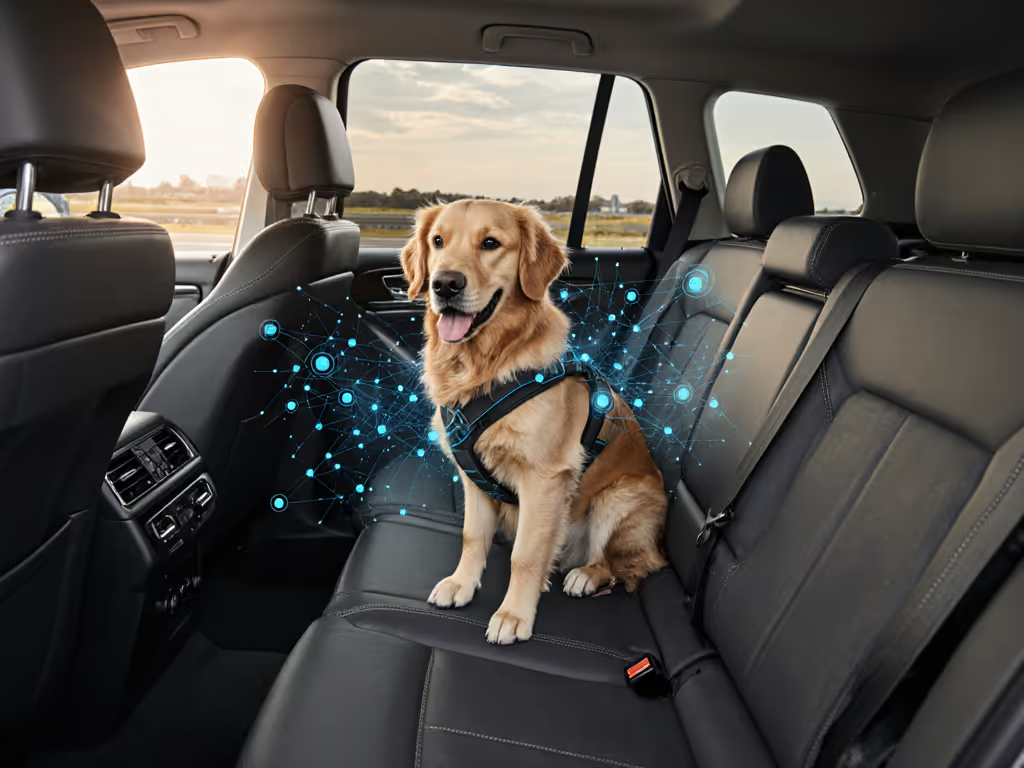
Dog Harness Usage Trend: 58% Adoption Drives Road Safety Shift
By Hana Saito • 11th Jan
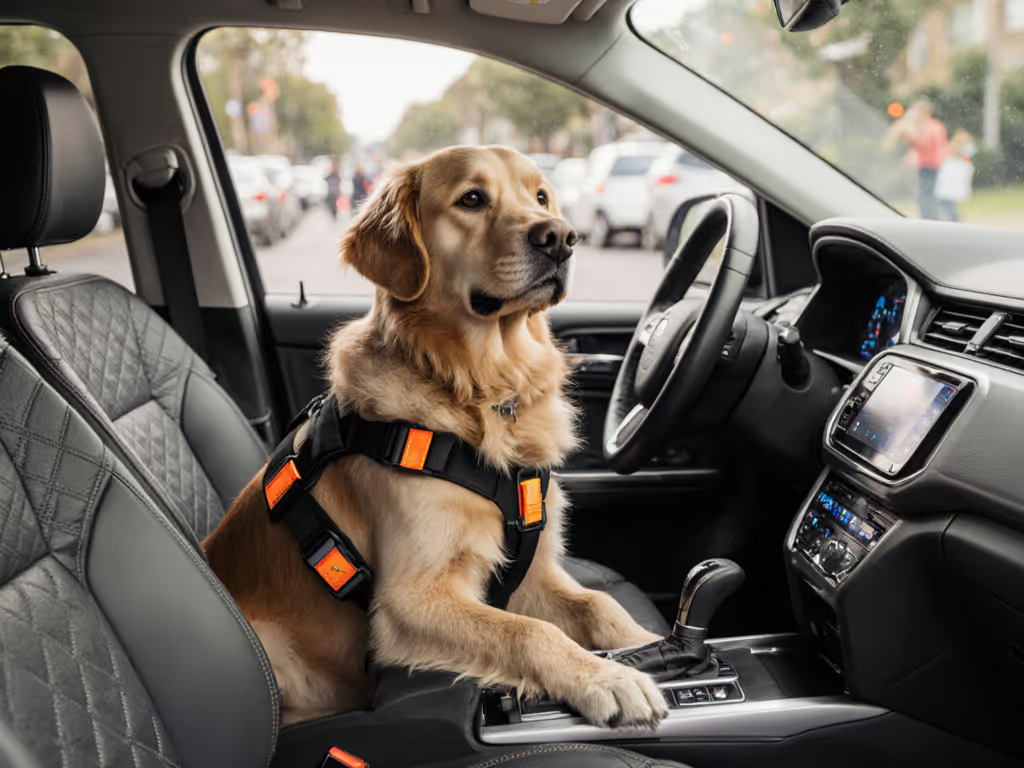
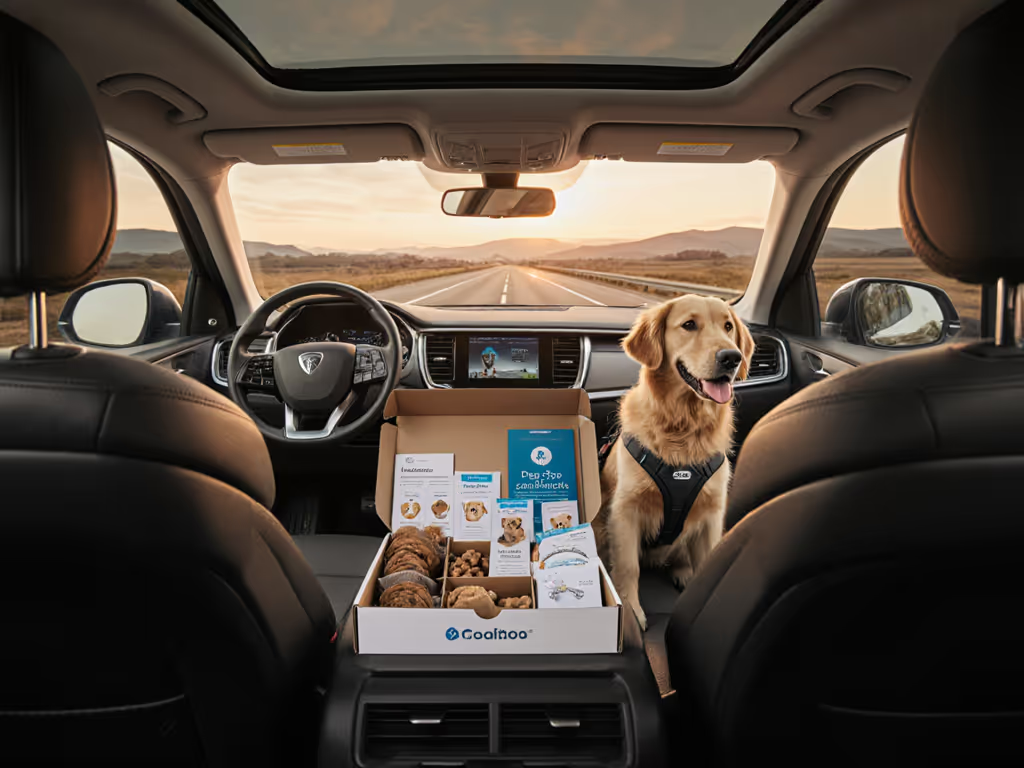
The dog harness usage trend is transforming how we travel with our four-legged family members, with the car harness adoption rate now reaching 58% among conscientious pet owners. This significant shift reflects growing recognition that secure transport isn't optional (it's fundamental to road safety for everyone in the vehicle). As someone who's optimized countless cabins for busy pet parents, I've witnessed firsthand how this rising harness popularity creates calmer, more focused driving experiences. If your dog gets anxious in the car, start with our dog car training guide to build calm, safe habits. A calm cabin is a safety feature, not a luxury.
For those of us who've navigated the chaos of parallel parking with a 60-pound dog, groceries, and a stroller in tow, the transformation brought by proper restraint systems is profound. What began as a niche concern has become mainstream practice, driven by both data and everyday experience. Let's examine why this trend matters and how it's reshaping our travel routines in measurable ways.
Why the Sudden Surge in Harness Adoption?
The dramatic rise in dog harness usage stems from multiple converging factors. Market analyses reveal the dog harness sector is projected to grow at approximately 9.2% annually through 2033, with the pet travel accessories market expected to reach $12.1 billion by 2034. This growth reflects more than just increased pet ownership (it represents a fundamental shift in how we view our responsibilities as pet parents).
A measurement-anchored understanding of risk has driven this change. When pet owners learn that unrestrained dogs become dangerous projectiles during sudden stops (capable of exerting hundreds of pounds of force), they recognize that dog harnesses aren't optional accessories, but essential safety equipment. This data-driven realization has particularly resonated with the modern pet parent who treats their companion as family and demands evidence-based solutions.
The Safety Statistics Behind the Trend
A calm cabin is a safety feature, not a luxury.
Dog safety harness statistics paint a compelling picture. According to industry reports, properly restrained dogs are 56% less likely to suffer serious injury during vehicle incidents. The Centers for Disease Control and Prevention confirms that unrestrained pets significantly increase accident risk (not just for themselves, but for human passengers too). This isn't theoretical: crash test data shows unsecured dogs can become dangerous projectiles capable of exerting hundreds of pounds of force during even minor collisions. Learn how to evaluate "crash-tested" claims in our pet restraint crash testing explainer.
What's particularly encouraging is how this awareness has translated to action. Five years ago, surveys showed less than 30% of dog owners utilized proper restraints. Today's 58% adoption rate represents a meaningful cultural shift toward responsible pet transport, a shift particularly pronounced among owners of late-model vehicles who prioritize both interior preservation and safety.
Space-Efficient Solutions Driving the Movement
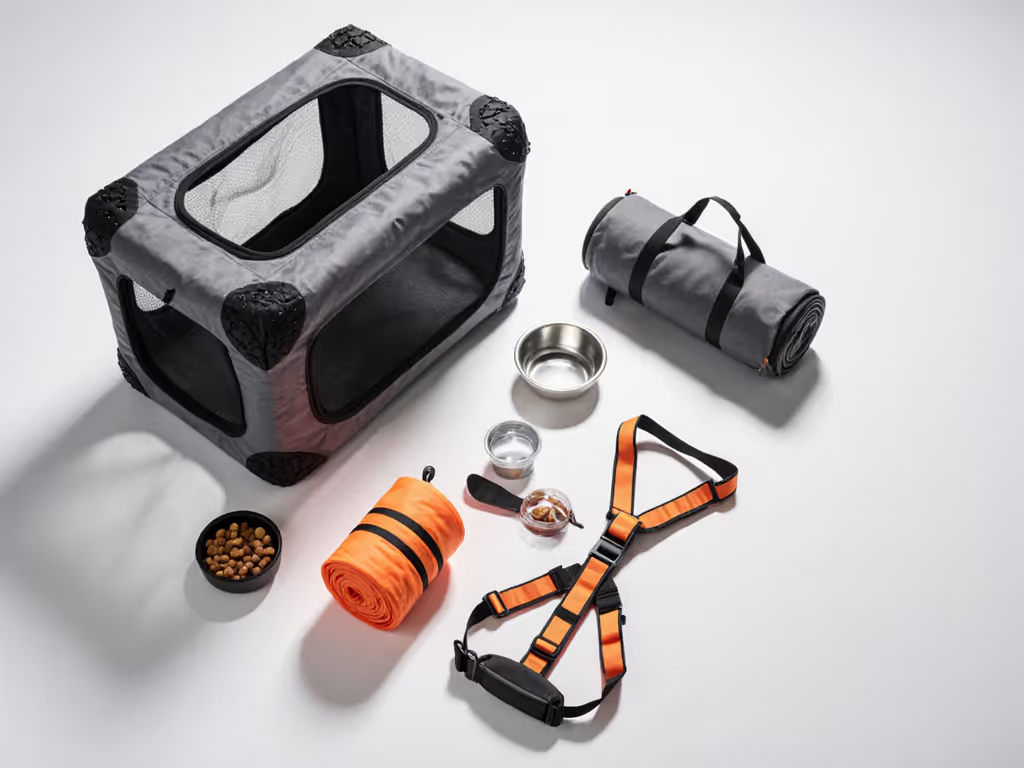
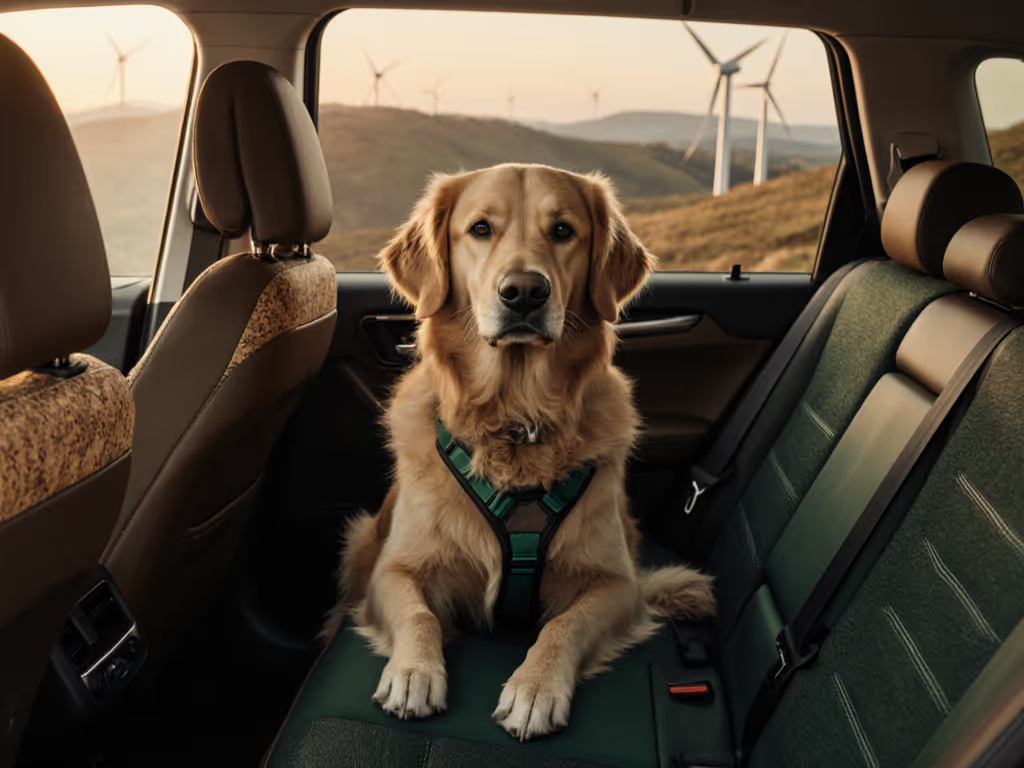
The rising harness popularity owes much to innovative designs that prioritize space efficiency and clean integration. Today's solutions move beyond bulky, universal-fit products that slide and sag. Instead, we're seeing aesthetics-aware designs that integrate seamlessly with specific vehicle models, harnesses that route cleanly through existing anchor points without compromising airbag functionality or creating distracting rattles. See how to choose airbag-compatible restraints that work with your car's safety systems.
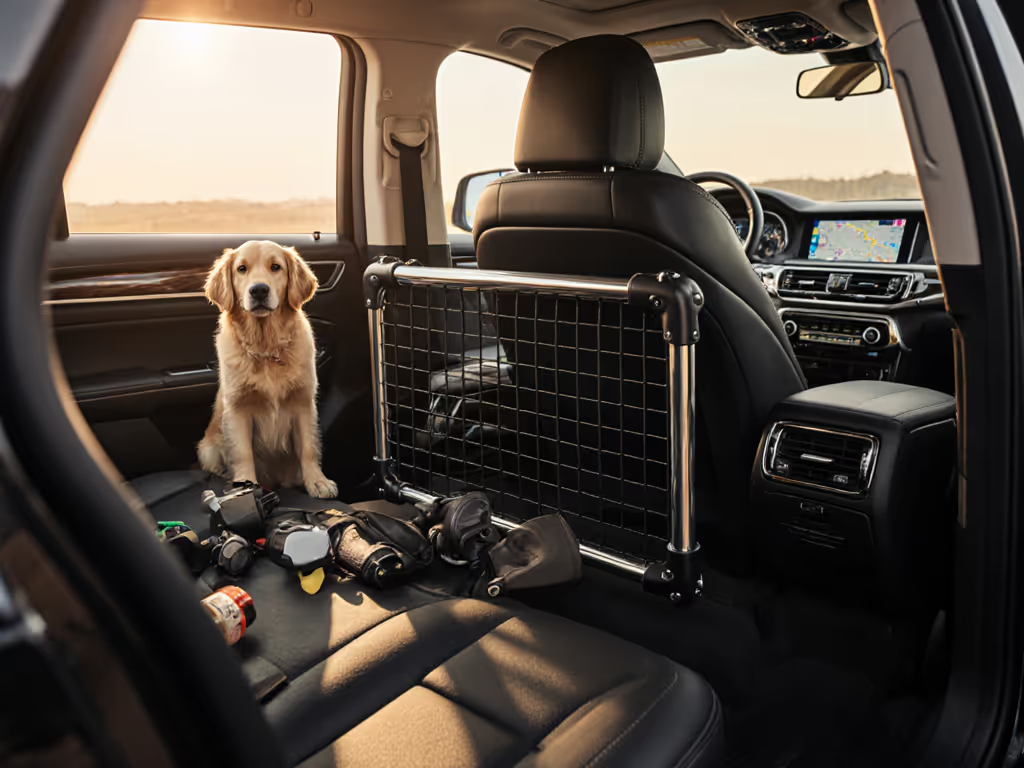
What makes these solutions stick? They use maintenance-light materials that withstand mud, sand, and frequent cleaning while preserving OEM-like cabin aesthetics. Cleanup time: less than two minutes with mild soap and water. These aren't just restraints, they're cabin organization systems that keep gear contained, dogs settled, and drivers focused on the road ahead.
Practical Benefits Beyond Safety
Beyond the compelling safety case, the dog harness usage trend delivers tangible everyday benefits that resonate with busy pet parents:
- Reduced cognitive load during travel - no worrying about your dog sliding into the footwell or jumping onto the center console
- Preserved interior condition with minimal, integrated designs that prevent scratches and scuffs on leather seats
- Quieter cabin environment without the distracting sounds of shifting gear or plastic components that stress both driver and dog
- Streamlined transitions between driving and exiting the vehicle - no frantic rearranging of gear before reaching your destination
These practical advantages create what I call a "calm cadence" to travel (where both human and canine passengers arrive relaxed and ready for whatever comes next). It's not about creating a sterile environment, but establishing an organized, predictable space that reduces anxiety for everyone involved.
Finding the Best Dog Harness for Car Travel
Selecting the right solution requires more than just browsing online listings. The best dog harness for car travel considers your specific vehicle's geometry, anchor points, and interior configuration. Look for:
- Compatibility with your exact make/model/year (not just "fits most sedans")
- Anchor points that utilize existing vehicle safety systems (LATCH/ISOFIX) without modification
- Adjustable tether lengths that prevent dog from lunging forward yet allow comfortable positioning
- Materials that withstand weather extremes and clean up easily
- Minimal visual profile that complements rather than disrupts your cabin aesthetic
This specificity matters. What works for a compact SUV might create dangerous slack in a truck cab. The most effective solutions provide measurement-anchored guidance rather than one-size-fits-all promises. Compare top-rated options in our dog seat belt harness comparison to find a proven fit.
Why Dogs Need Harnesses: Beyond the Obvious
While the safety argument is compelling, there's another dimension often overlooked: proper restraint systems actually calm dogs during travel. When dogs have stable footing and know their boundaries, they're less likely to experience car anxiety or motion sickness. This behavioral benefit creates a positive feedback loop, calmer dogs mean less distracted driving, which creates safer roads for everyone.
The 58% car harness adoption rate represents more than just statistical growth, it's evidence of a cultural shift where pet parents recognize that safe transport isn't just about protecting their dog, but protecting everyone on the road. When your dog travels securely in a properly fitted harness, you're not just following best practices, you're contributing to overall road safety.
Final Verdict: Safety Through Simplicity
The data is clear, the trend is undeniable, and the benefits extend far beyond just protecting your furry passenger. The rising harness popularity reflects a maturing understanding that thoughtful organization and restraint systems create safer, more pleasant travel experiences for everyone in the vehicle.
This isn't about creating a clinical, overly controlled environment, it's about establishing thoughtful containment that respects both your vehicle's design and your dog's comfort needs. As someone who's transformed countless chaotic cabins into organized, functional spaces, I can confidently say that when everything has its place (including your dog), you arrive at your destination calm rather than frazzled.
Cleanup time: minimal. Safety impact: maximum. The 58% car harness adoption rate signals a meaningful shift toward responsible pet ownership, and safer roads for all of us.
Related Articles