Subzero Dog Car Safety: Frostbite Prevention Guide
By Aisha Rahman • 2nd Jan
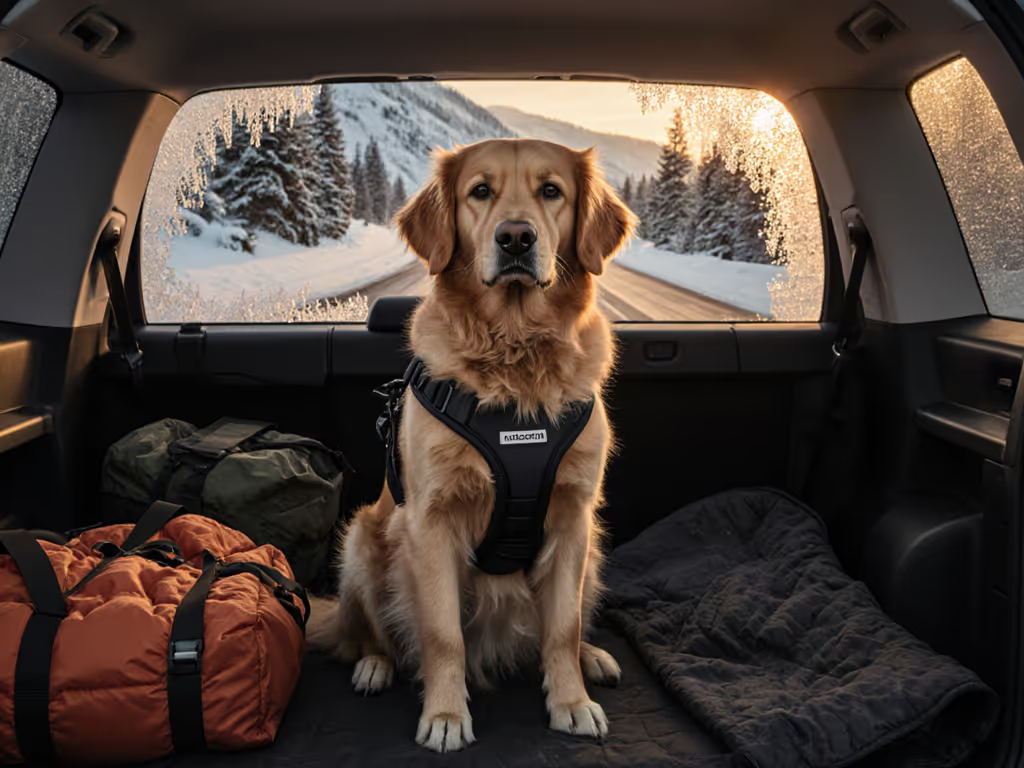
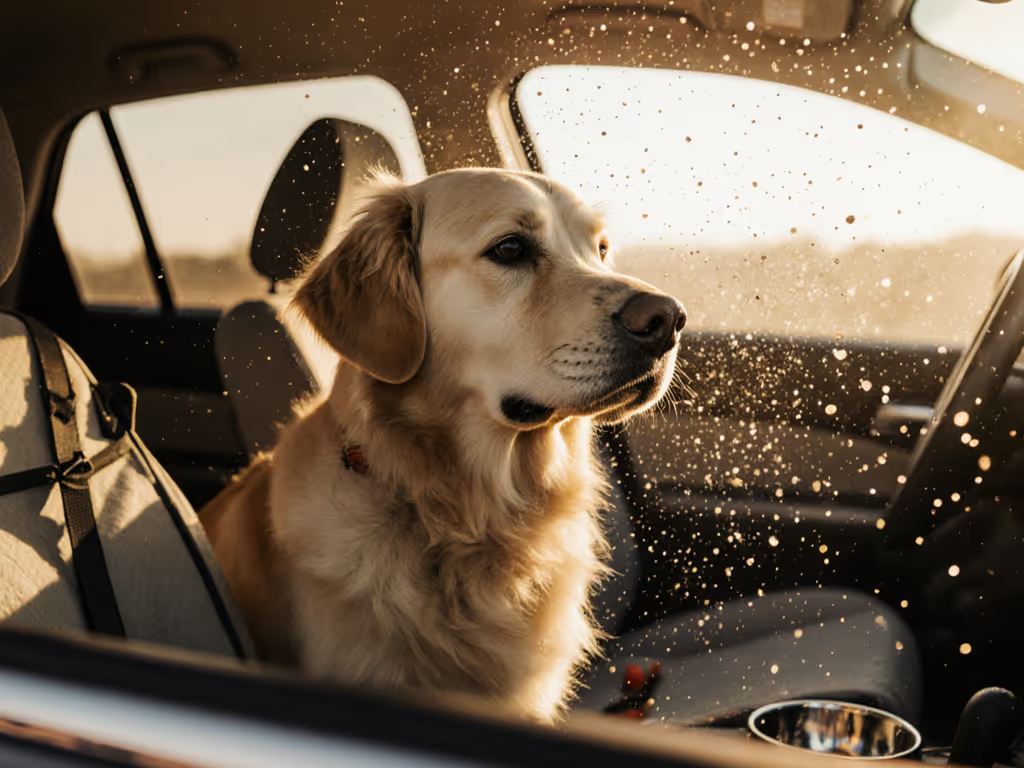
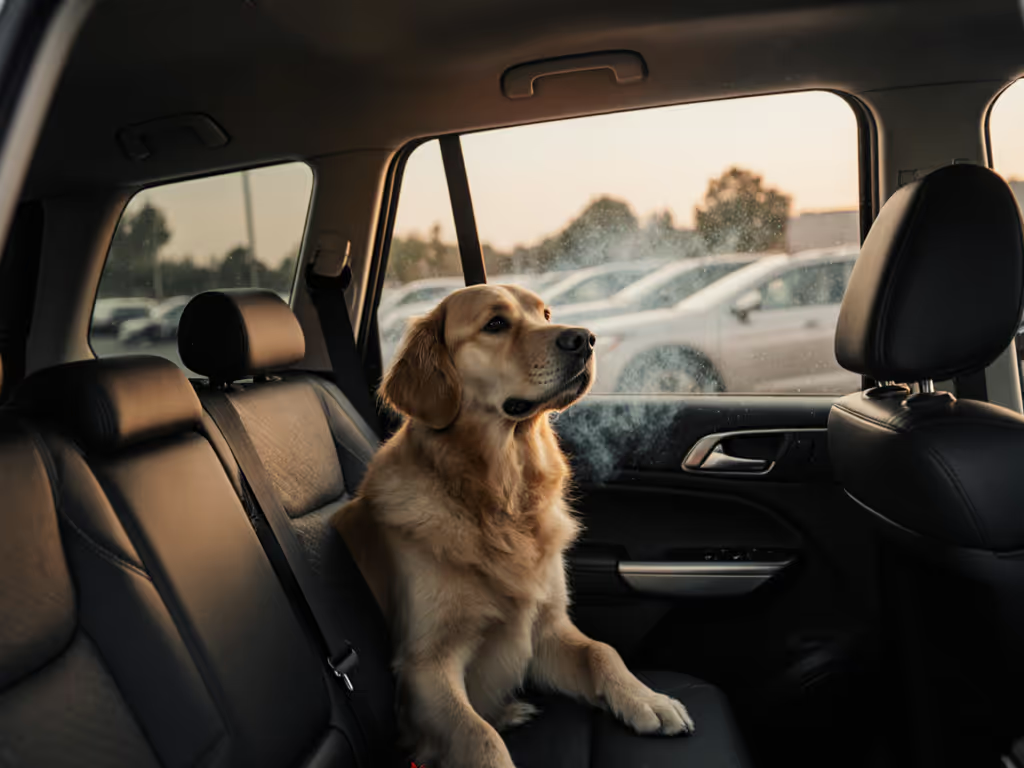
When planning extreme cold dog car travel, many owners assume their pet's thick coat is sufficient protection. Yet studies show vehicles become rolling refrigerators in subzero conditions (reaching ambient temperature within 30 minutes), making subzero pet travel safety a critical concern even for cold-adapted breeds. This guide combines behavioral science with practical physics to create travel conditions where dogs remain calm, stable, and thermally safe during winter journeys. For a broader seasonal overview, see our seasonal dog car travel guide.
Quiet cabin, steady dog, safer choices start to stick.
Why is my car dangerous in cold weather even with the heater running?
Unlike homes with insulation, cars conduct outside temperatures rapidly through metal frames and glass surfaces. Research from the American Veterinary Medical Association confirms that parked vehicles match external temperatures within minutes, meaning that at -10°F, your cabin interior approaches that temperature within 20-30 minutes, regardless of previous heating. The danger intensifies when stopping: a brief errand becomes critical when your dog's core temperature drops below 99°F, the threshold for mild hypothermia.
What are the earliest signs of cold stress I might miss?
Behavioral indicators often precede physical symptoms. Watch for:
- Excessive lip licking or yawning (stress signals)
- Reduced paw lift when walking to the car
- Reluctance to settle in their usual position
- Increased panting despite cold air
Physical signs emerge as core temperature falls:
- Shivering progressing to muscle stiffness
- Pale gums instead of healthy pink
- Sluggish movement when transitioning from car to destination
- Whining during brief stops (unusual for your dog)
Which dogs need special precautions beyond the obvious?
While senior dogs, puppies, and thin-coated breeds (like Dobermans) require extra care, noise-indexed sensitivity reveals surprising vulnerabilities. Dogs with anxiety histories often experience compounded stress when cold temperatures trigger shivering, creating a feedback loop where physical discomfort heightens nervousness. One shepherd mix I worked with trembled at every lane change until we addressed both thermal comfort and vibration sensitivity through layered acclimation.
How does proper fitting gear actually prevent cold stress?
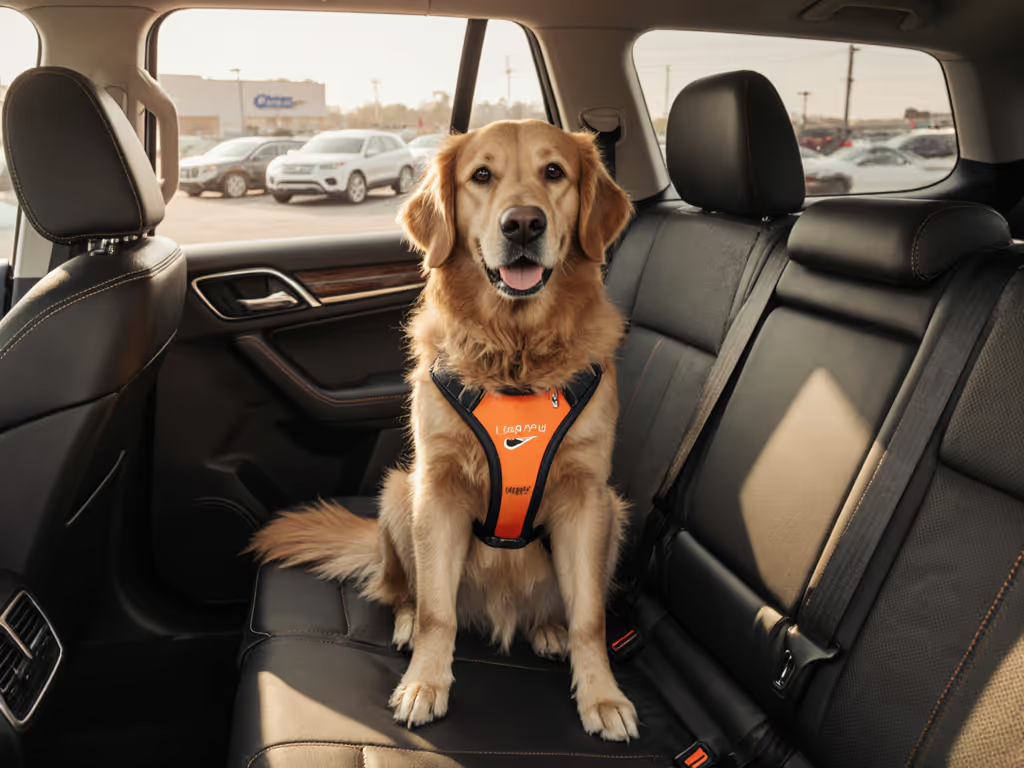
Fit-and-feel directly impacts thermal regulation. Ill-fitting harnesses create pressure points that restrict blood flow, critical for extremities prone to frostbite. A properly measured car harness should allow two fingers between strap and chest without shifting during motion. Similarly, crates that touch cold metal surfaces conduct chill into bedding. Elevating the crate base 2 inches using non-slip pads creates an insulating air gap while maintaining stability during braking.
What are the most effective frostbite prevention dogs need during travel?
Beyond basic warmth, focus on moisture management (damp fur from melted snow accelerates heat loss). Cold weather pet travel tips that address this include:
- Wiping paws with microfiber towel before entry
- Using moisture-wicking crate pads (not cotton blankets)
- Positioning vents to circulate warm air without direct blasts
- Placing hand warmers beneath bedding (never against skin)
Acclimation steps: Introduce each element gradually: first the dry crate, then bedding layers, then brief engine-on sessions, before attempting full travel.
How do I safely manage brief stops during extreme cold dog car travel?
Never leave dogs unattended, as hypothermia risk begins within minutes. Instead:
- Park in direct sunlight when possible (adds 10-15°F)
- Keep engine running with climate control set to feet-level
- Use a signal phrase like "wait" paired with a special travel treat
- Maintain visual contact through windows (prevents separation anxiety)
What dog accessories for car actually perform in freezing temperatures?
Prioritize items that address multiple risks simultaneously. For example, a fleece-lined travel harness serves as both restraint system and thermal layer while preventing painful metal contact with buckles. Look for:
- Reflective stitching for visibility during early/late travel
- Neoprene padding at pressure points (reduces frostbite risk)
- Quick-release buckles operable with gloves
- Breathable side panels to prevent moisture buildup
How does cabin noise affect subzero pet travel safety?
Wind noise magnifies at low temperatures as glass contracts, creating high-frequency vibrations dogs hear but humans don't. This "inaudible stressor" explains why some dogs become restless in cold weather despite seeming comfortable. Solutions include:
- Installing window visors to redirect airflow
- Using thick, non-slip matting beneath crates to absorb road vibration
- Playing low-frequency white noise (432Hz) through car speakers
What's the biggest misconception about safe dog travel in freezing temperatures?
"My dog loves snow, so they'll be fine." Outdoor tolerance ≠ car tolerance. Snow activities engage muscles that generate heat, while confined travel restricts movement. A 2023 transport study found dogs' core temperatures dropped 2.3°F faster in stationary vehicles versus active outdoor play at the same temperature.
How can I create predictable routines for anxious travelers?
Routine-oriented preparation builds trust through predictability. Before each trip:
- Load gear in consistent sequence (crate → pad → harness)
- Use identical calming cues (a specific phrase or scent)
- Associate buckling with high-value treats (never during motion)
This transforms restraint into a safety signal rather than stress trigger, aligning with the principle that comfort and predictability are safety multipliers. For structured routines and desensitization exercises, see our dog car training guide.
When should I reconsider travel entirely?
Postpone non-essential trips when:
- Wind chill drops below -15°F (increases frostbite risk tenfold)
- Your dog recently had surgery or is recovering from illness
- Road conditions cause frequent sudden stops (triggers anxiety)
What to do if you see a dog left in a cold vehicle?
Document time, location, and vehicle details. Contact local authorities immediately (many states classify this as animal cruelty regardless of outside temperature). For specifics in your area, review our state-by-state dog car laws. While waiting, gently cover windows with reflective material to reduce temperature fluctuations and monitor the dog's condition from a safe distance.
The Bottom Line on Subzero Safety
Safe dog travel in freezing temperatures requires integrating thermal science with canine behavior. By prioritizing noise reduction, precise fit, and predictable routines, you transform the car from a stress amplifier into a secure mobile sanctuary. Remember that calmness isn't just comfort, it's the physiological state where dogs best regulate their temperature and respond to safety cues. Start with one acclimation step this week, and build from there. Your veterinarian or certified canine behavior consultant can provide region-specific guidance for extreme conditions in your area.
For further exploration: Review the American Veterinary Medical Association's temperature guidelines for traveling with pets, and consult your vehicle manufacturer about cabin airflow optimization for rear compartments.
Related Articles