
Dog Car Accessories & Microplastics: Health Impacts
By Aisha Rahman • 19th Mar
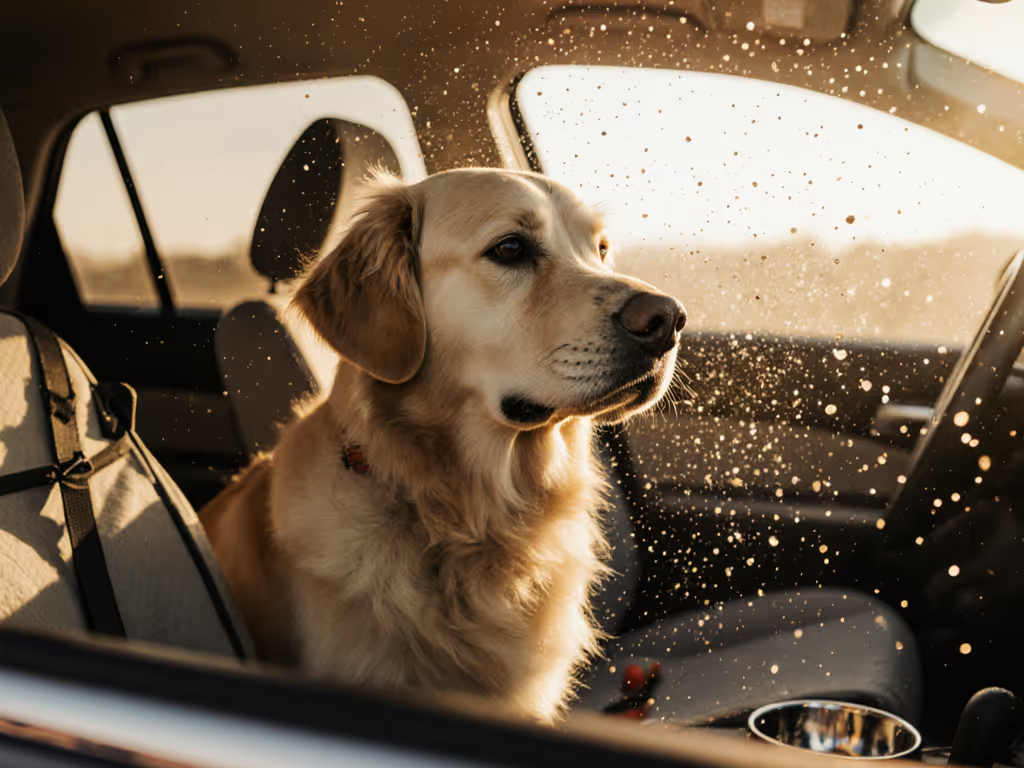
Dog car accessories and microplastics represent an overlooked intersection of travel gear safety and long-term pet health. When your dog travels in synthetic crates, harnesses, or hammocks made from plastic-based materials, you may unknowingly expose them to tiny plastic fragments that shed and accumulate over time, particularly in the confined, high-friction environment of a vehicle.[1][2] The research is mounting, and the connection between everyday car accessories and microplastic ingestion or inhalation is undeniable.
Dog owners often prioritize vehicle fit and anchor security, and rightly so. But a pet product's environmental impact extends beyond the landfill: it enters your dog's body during every trip. For lower-shedding setups, explore our eco-friendly dog car accessories guide. This article addresses the hard questions about what synthetic car gear does to your dog, where exposure happens, and what you can actually do about it.
FAQ Deep Dive: Understanding Microplastics in Your Dog's Car Setup
What Are Microplastics, and Why Should Dog Owners Care?
Microplastics are fragments smaller than 5 millimeters, shed from larger plastic items as they break down.[1] For dogs riding in vehicles, these particles come from collapsible crates, synthetic harnesses, plastic-lined cargo covers, and even the padding inside some travel cushions. Unlike a one-time exposure, car travel is repetitive. Your dog sits in the same gear multiple times per week, intensifying the shedding cycle.
The cumulative exposure is the real concern. Research has detected microplastics in animal tissues and feces, with studies showing biochemical and structural damage to organs including the intestine, liver, and reproductive systems following microplastic exposure.[4] A 2025 study found that microplastics were associated with male fertility issues in both humans and dogs, a finding that underscores the seriousness of chronic, low-level ingestion.[4]
Which Car Accessories Are the Biggest Sources of Microplastic Shedding?
Not all travel gear poses equal risk. The primary offenders are:
Synthetic crates and barriers: Plastic-based or wire-frame crates with plastic connectors break down with vibration, heat, and your dog's movement during braking. Nylon mesh barriers shed fibers directly into your dog's breathing space.[1]
Synthetic harnesses and tethers: Nylon and polyester webbing, plastic buckles, and PVC-coated leads wear with friction against the seat and your dog's body. Each car ride accelerates microfracturing.[1]
Plastic-lined seat covers and hammocks: Many popular backseat covers have polyester fabric backing or plastic waterproof linings that degrade with UV exposure through windows and repeated cleaning.[1] If you're comparing fabrics, see our waterproof vs water-resistant seat cover tests to understand material trade-offs that affect shedding.
Collapsible travel bowls and water containers: If stored in the car (often they are), plastic bowls shed microplastics into food and water over weeks of sun exposure and thermal cycling.[1]
Comfort notes: A shepherd mix I once worked with trembled at every lane change until we rebuilt her routine: a padded fabric crate (not plastic), covered windows to reduce heat stress and light flicker, anti-rattle anchors, and secure positioning. By week three, her breathing slowed before we even started. Quiet cabin, steady dog, safer choices start to stick. That holds for material choices too. To rebuild calm car habits step by step, see our positive car association guide.
How Do Dogs Actually Ingest or Absorb Microplastics During Travel?
Exposure happens through multiple pathways:
Ingestion: Dogs lick harness straps, chew on crate edges, or swallow fragments shed during the ride. Water stored in plastic bowls in the car becomes a direct source.[2] Synthetic dog toys left in the vehicle compound the problem.
Inhalation: Microplastics can become airborne in enclosed cabins, especially with fabric shedding from worn seat covers or crate padding. Air inside cars with poor ventilation concentrates these particles.[2]
Absorption through skin: While less common, prolonged contact with plastic-coated gear can expose your dog's skin and paws to chemical leachates and fine plastic dust.[1]
The car is a confined, high-friction environment where shedding accelerates. Unlike a home, where air circulation and open space dilute exposure, a vehicle amplifies it.
What Health Risks Are Associated with Microplastic Exposure in Dogs?
The evidence is concerning and spans multiple systems:
Reproductive and hormonal disruption: A 2025 study linked microplastic exposure to male fertility issues.[4] Earlier research found microplastics in dog testicular tissue, raising long-term fertility and developmental concerns.[8] Microplastics carry chemicals that can act as endocrine disruptors, interfering with hormone function.[5]
Digestive and gastrointestinal damage: Microplastics accumulate in the stomach and intestines, potentially causing gut dysbiosis, cellular deformation, and compromised nutrient absorption.[2][5] The Journal of Agriculture and Food Research (2024) found that microplastic presence in animals had the potential to disrupt gastrointestinal tracts and interfere with digestive efficiency.[3]
Inflammatory and immune responses: Research suggests microplastics can trigger systemic inflammation and immune disruption, manifesting as unexplained skin irritation, joint issues, or chronic inflammation.[2][6] Scientists have found that microplastics can carry metals, bacteria, viruses, and persistent organic pollutants, potentially increasing inflammatory responses.[4]
Cardiovascular and respiratory risks: Studies have linked higher microplastic exposure to increased oxidative stress and cardiovascular risk, including greater risk of strokes or heart attacks in humans (and by extension, potential similar risks in dogs).[6] Airborne inhalation over time could lead to irritation or inflammation of airways.[2]
Long-term cumulative effects: Perhaps the most alarming aspect is the cumulative nature of microplastic exposure. Over time, particles build up in organs, potentially triggering chronic health issues that may take years to manifest.[2]
What Can You Do to Reduce Microplastic Exposure in Your Dog's Car Setup?
Take a behavior-aware, fit-and-feel-focused approach:
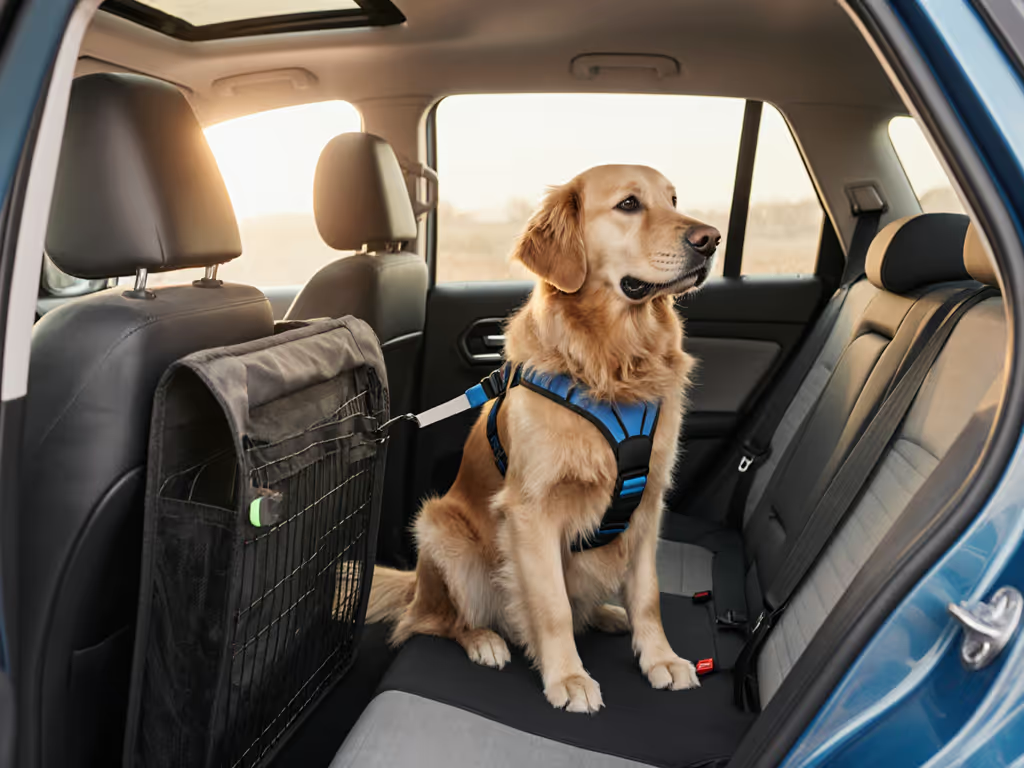
Choose natural-fiber or coated alternatives: Look for crates made from fabric-covered steel frames or natural wood (if applicable), rather than all-plastic models. Harnesses with cotton or hemp-based webbing, rather than nylon, shed far fewer microplastics. Washable canvas seat covers and cargo liners replace plastic-backed options.[1]
Prioritize ventilation and stable positioning: A properly ventilated, noise-indexed setup (secured so it doesn't rattle or shift) reduces your dog's stress and limits the time they spend in contact with worn or degrading materials. Secure positioning also reduces friction-induced shedding.
Avoid plastic bowls and water containers in the car: Use stainless-steel or ceramic travel bowls, or bring bottled water from home in glass containers. Store them separately from the dog's main resting area. For vetted no-spill options, see our car-safe hydration systems.
Inspect and replace worn gear: Regularly check harnesses, crates, and covers for visible fraying, cracks, or deterioration. Replace items before they reach end-of-life breakdown stages.[1]
Minimize synthetic toy exposure during travel: Keep chew toys out of the vehicle, or opt for natural-rubber or wood-based alternatives that shed far fewer microplastics.
Clean and maintain regularly: Vacuum your car's interior to reduce settled microplastic dust. Wash removable covers in hot water to help break down surface particles (and dispose of washing water responsibly).
Should You Be Concerned About Microplastics in Canned Dog Food Eaten Before or After Trips?
Yes, this is an overlooked compounding factor. Bisphenol A (BPA), commonly found in canned food linings, disrupts hormonal functions in animals and is also a carcinogen.[5] If you're feeding your dog canned food and then placing them in a synthetic car setup, you're stacking microplastic and endocrine-disrupting chemical exposure. Consider switching to high-quality wet food in glass jars or fresh options, especially for dogs who eat in or just before traveling.
Moving Forward: Routine-Oriented, Evidence-Anchored Choices
The research linking microplastics to reproductive harm, digestive damage, and chronic inflammation is no longer speculative, it is documented in peer-reviewed journals and veterinary studies.[3][4][8] The car, as a confined and high-friction space, amplifies exposure.
Your dog trusts you to keep them safe. That responsibility extends beyond crash safety and proper anchoring, it includes the materials they're in contact with every single trip. Comfort and predictability are safety multipliers; a calm dog in a low-microplastic setup is a dog with better long-term health outcomes.
Further Exploration
Consider investigating your current car setup with fresh eyes: What is your crate made of? What harness material are you using? How old are your seat covers? Small swaps toward natural fibers, stainless steel, and ceramic alternatives (combined with routine inspection and mindful cleaning) compound into meaningful exposure reduction over months and years.
For deeper dives into specific product categories (harness materials, crate construction, sustainable travel liners), consult manufacturer material specifications and reach out to brands willing to discuss microplastic reduction in their design. For material trade-offs that minimize microplastic shedding, see our biodegradable vs recycled accessory tests. The market is shifting, but only if pet owners demand it. Your questions matter.
Related Articles