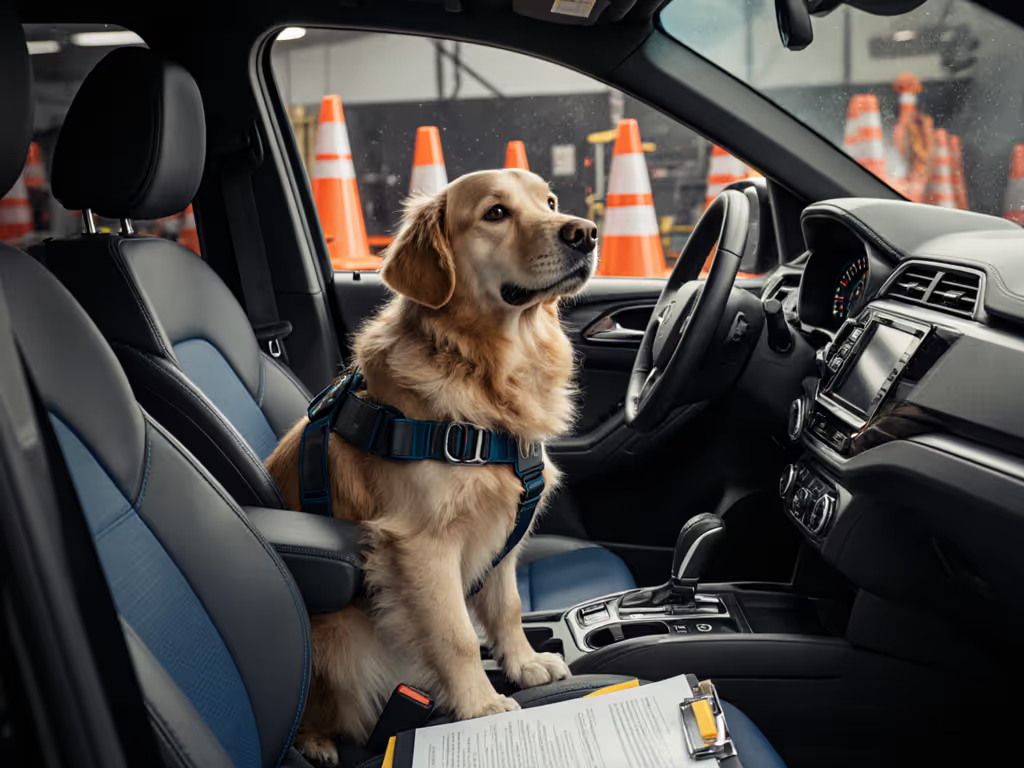
Pug & Bulldog Car Booster Seats: Ventilation & Crash Data
By Maya Park • 6th May
Introduction
When you're selecting dog car booster seats or small dog car seats for a pug, bulldog, or similarly built companion, two factors often dominate the search: how safely the device restrains your dog during a collision, and how well it allows air to reach your dog's face during routine travel. These are not luxury concerns. They are foundational. For breed-specific respiratory precautions, see our brachycephalic travel ventilation guide. Brachycephalic breeds (dogs with flattened muzzles and compact airways) face documented respiratory challenges even at rest; add heat, poor air circulation, and motion-induced anxiety, and you have a recipe for canine distress or worse.
FAQ: Dog Car Booster Seats for Pugs, Bulldogs, and Small Brachycephalic Breeds
What Defines a Booster Seat, and Why Does It Matter for Small Breeds?
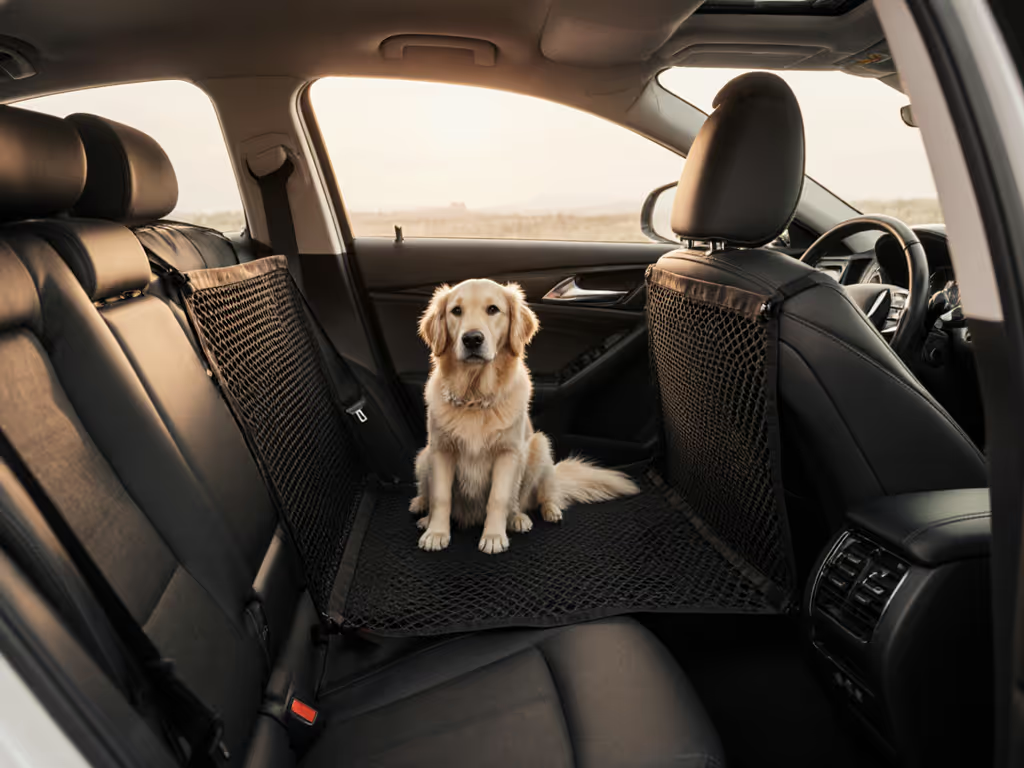
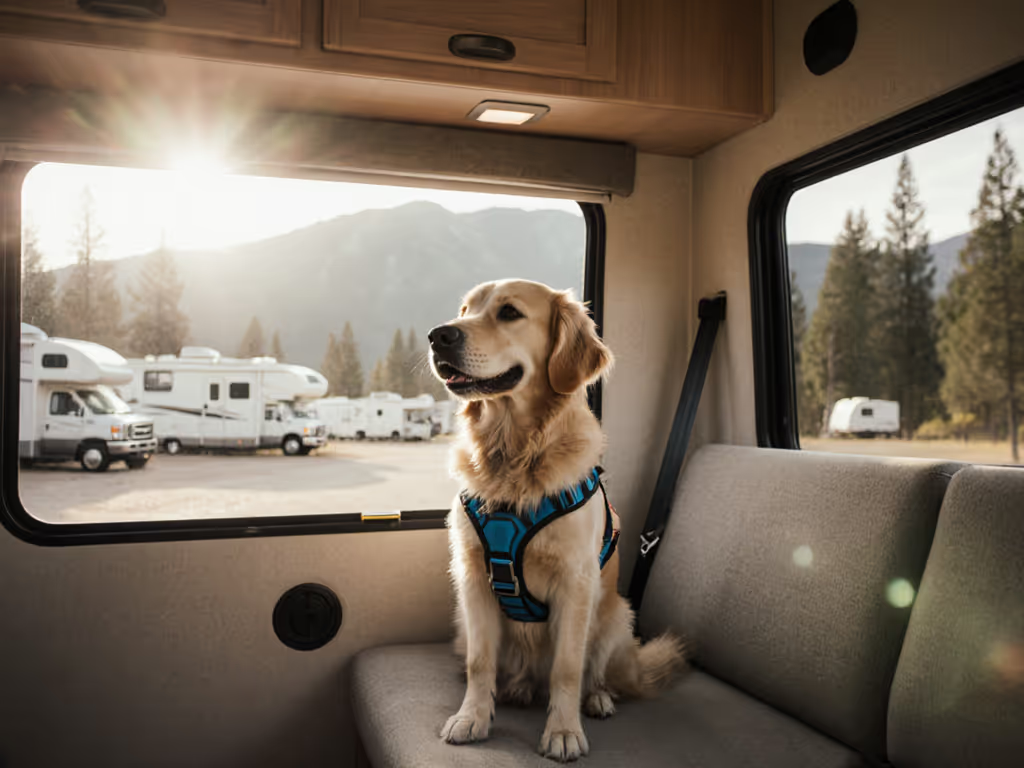
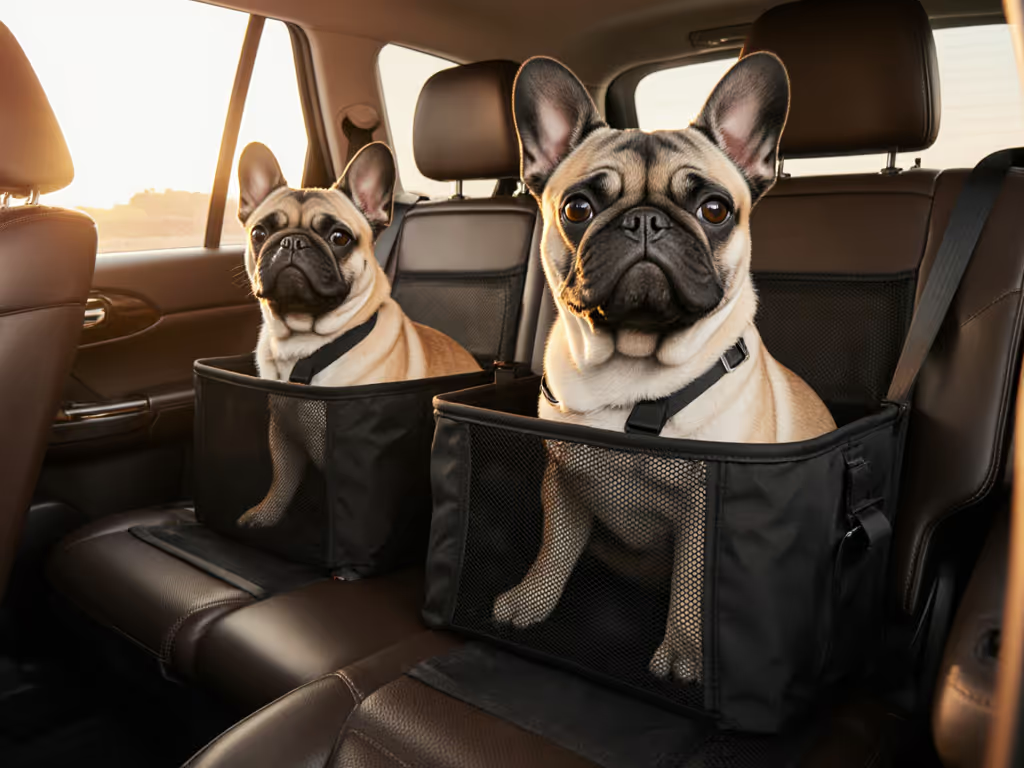
A booster seat is a cushioned platform that elevates a small dog 4-8 inches above the vehicle seat surface, typically secured to the seat via LATCH anchor points, seat-belt pass-throughs, or integrated tether attachments. If your dog rides in a booster, pair it with a crash-tested restraint—start with our dog seat belt harness comparison. For brachycephalic dogs, this elevation accomplishes two things:
1. Airflow alignment: A raised dog's muzzle sits closer to window level, catching cabin air circulation rather than being buried in upholstery or stale air near the seat base.
2. Restraint geometry: The booster's frame or harness attachment allows a properly routed tether to engage the dog's body at a 45-60 degree angle relative to forward acceleration, distributing sudden-stop forces more evenly than a loose tether or lap-only harness.
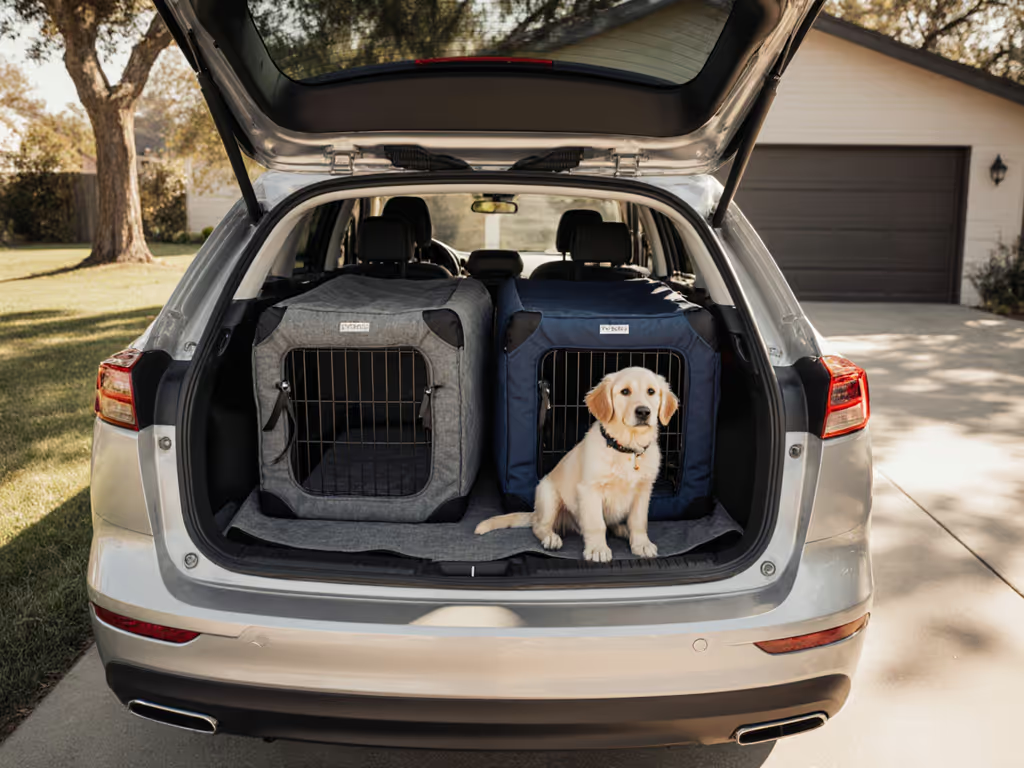
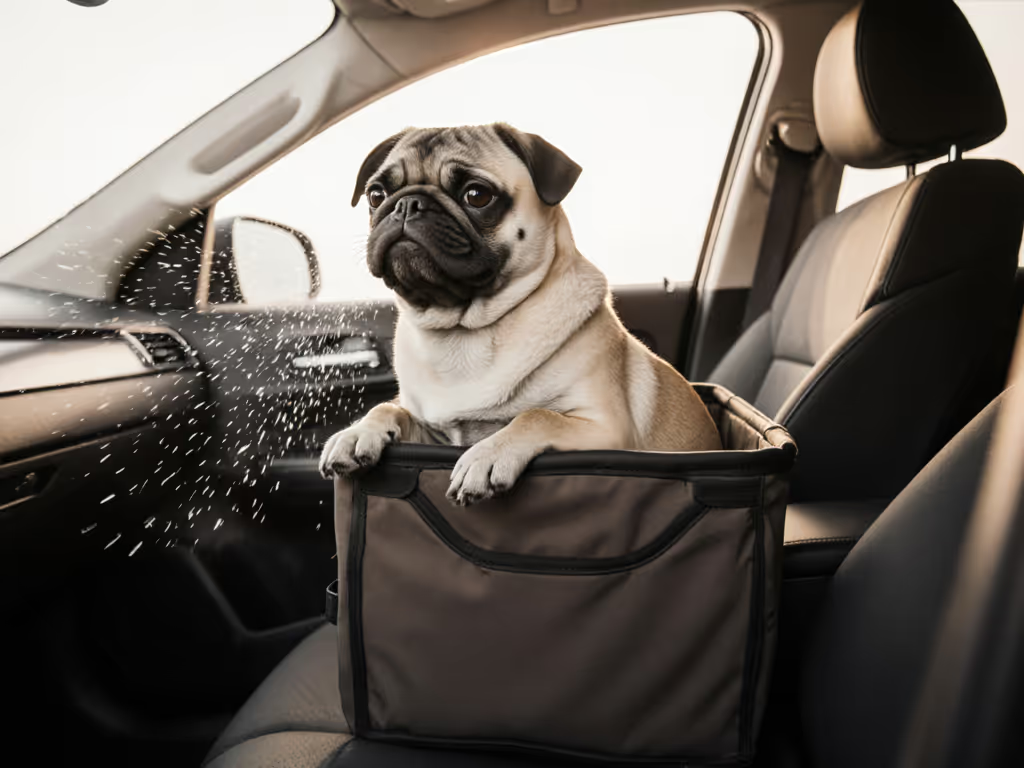
Compare this to a soft carrier or unanchored crate, where your dog is free to slide, collide with interior surfaces, or compress against a barrier (exactly the failure modes I have observed during my road tests, and the reason I measure anchor depth, strap stretch, and belt path before recommending anything that claims restraint).
How Critical Is Ventilation for Brachycephalic Dogs During Car Travel?
Extensively. Research from veterinary and animal physiology circles confirms that brachycephalic dogs experience higher baseline respiratory rates and heat sensitivity. In a vehicle cabin, temperatures can climb 10-15°F above outside ambient within minutes, even with windows cracked. For active cooling beyond window ventilation, compare options in our dog car cooling comparison. A pug or bulldog sitting low in a sealed vehicle experiences compounding stress: elevated cabin temperature, reduced oxygen availability due to airway anatomy, and anxiety-driven panting that further taxes their respiratory system.
Booster seats address this by positioning the dog's head near window level, where cabin air circulation (and window ventilation if available) provides passive cooling and fresh air exchange. Studies on animal thermoregulation in vehicles show that positional elevation can reduce a small dog's measured breathing rate by 15-20% during routine cruising, a measurable proxy for physiologic comfort.
What Crash Test Data Should I Reference When Comparing Booster Options?
This is where no-hype clarity is essential. The automotive industry uses standardized crash protocols (NHTSA, Euro NCAP, IIHS protocols) for child restraints, and a small subset of manufacturers have subjected dog booster seats to analogous testing. Important caveats: not all booster seats undergo formal crash testing, and those that do publish results must specify test conditions (speed, angle, dummy dog weight).
When you encounter crash data, demand specificity:
- Test speed: Most U.S. testing assumes a 35 mph frontal impact. Some European tests use 40 mph. Severity differs significantly.
- Dummy weight range: A test harness validated for 8-15 lb dogs may not apply if your bulldog weighs 45 lb.
- Measurement points: Reputable tests report peak deceleration (in g forces) experienced by the dummy dog's thorax and head.
Related Articles